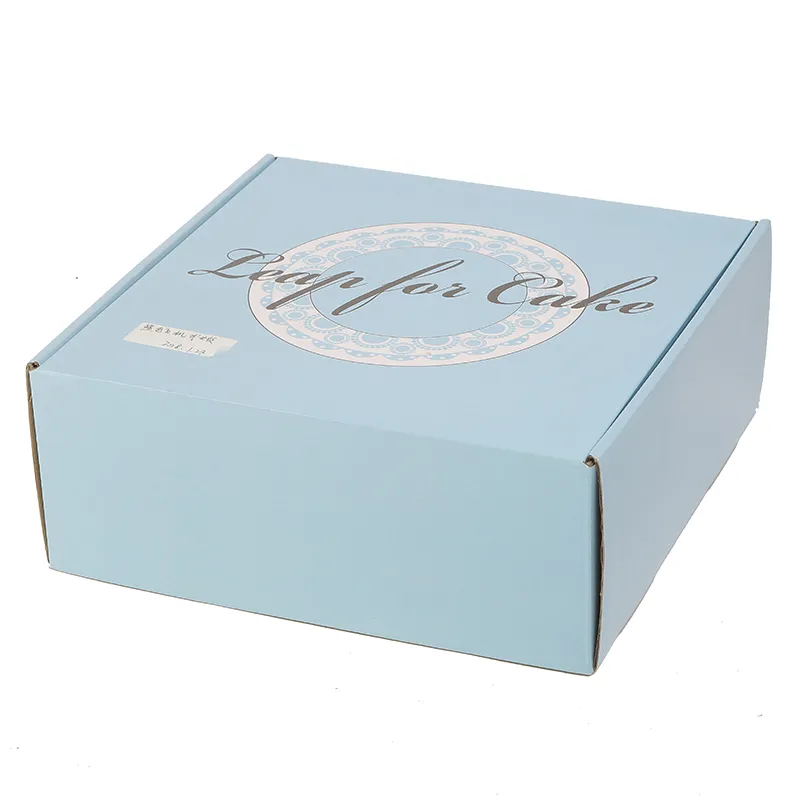

Boxes arrive flat-packed for good reasons: they take up far less room, ship more cheaply, and let you assemble them as you need them. But flat-pack stock is only as good as the conditions it is kept in. We have seen carefully printed runs quietly ruined between delivery and use — not by anything dramatic, just damp, sun and careless stacking. None of that is hard to avoid once you know what you are guarding against. Here is the short, practical version.
Damp is the main enemy
Corrugated and carton board are paper, and paper drinks moisture out of the air. Damp board loses stiffness, warps, softens at the creases and can develop a musty smell that transfers to whatever you pack in it. Worse, print and coatings can lift or mottle on a surface that has taken on moisture. Once board has been properly damp, it rarely comes back to full strength even after it dries.
To keep stock dry:
- Store off the floor. Concrete floors wick moisture upward, especially in garages, sheds and older units. Keep boxes on a pallet, shelf or racking with air underneath.
- Avoid unheated, humid spaces where you can. A cool, dry room beats a cold, damp garage every time.
- Keep the wrapping on until you need the boxes. The delivery packaging is a moisture barrier — do not strip it off the whole batch on day one.
- Mind condensation. Boxes brought from a cold store into a warm room can sweat. Let a batch acclimatise before you unwrap and print or label it.
Direct sunlight fades and weakens
A stack sitting in a sunny window or under a rooflight will fade on the exposed face — and it is always the top box, the one a customer sees first, that cops it. Prolonged sun also dries board out and can make it brittle at the folds. Keep stock out of direct light. If the only available space catches the sun, cover the pile or turn it so the same faces are not permanently exposed. Kraft and uncoated boards show fading less obviously than bright printed whites, but none of them enjoy a summer on a windowsill — our note on kraft versus white covers how the two behave.
Stacking: crush is cumulative
Flat-packed boxes are strong in a stack but not indestructible, and damage from stacking is often invisible until you assemble a box and find a soft crease or a dented edge. A few rules:
- Stack flat and square. A leaning pile puts uneven pressure on the boxes at the bottom and creeps toward toppling.
- Keep piles to a sensible height. The lower boxes carry everything above them; an over-tall stack crushes the ones doing the work.
- Never put heavy or sharp items on top. A toolbox or a full crate parked on a stack of mailers will emboss itself into them.
- Mind the edges. Corners and edges take the knocks. Keep stacks away from doorways, trolley routes and anywhere they get clipped in passing.
- Rotate stock. Use the oldest boxes first so nothing sits at the bottom of a pile for a year slowly taking on the weight.
Assembly: a few habits for a clean finish
Even perfectly stored boxes look poor if they are folded carelessly. A few pointers:
- Fold along the existing creases. They are scored to fold cleanly; forcing a new fold line looks amateurish and weakens the board.
- Work with clean, dry hands. Print and uncoated board mark easily. Grubby thumbs show, particularly on white and laminated finishes.
- Let self-locking styles do their job. A crash-lock or tuck style is designed to snap into shape — seat the locks properly rather than half-folding and taping over the gap.
- Assemble as you go where space is tight. Flat stock stores small; a room full of pre-built boxes does not.
- Check the first one from a new batch. A quick look confirms the run is in good condition before you fold a hundred.
Set up a small packing station
Most storage damage happens not in the stack but in the day-to-day handling around it — boxes dragged across a rough bench, part-batches left half-unwrapped, offcuts and tape building up until the working area is a hazard to the stock itself. A little organisation pays for itself. Keep a clear, clean surface for folding, with the current batch to hand and the reserve stock wrapped and shelved behind it. Fold what you need for the day rather than pre-building a mountain that then gets knocked about. Keep tape, labels and inserts in their own spots so you are not rummaging over open boxes with a blade in your hand.
A tidy first-in, first-out flow matters more than it sounds. Bring forward the oldest wrapped bundle, work through it, and only open the next when the first is done — that way no single bundle sits half-exposed for weeks collecting dust and knocks, and nothing lingers at the bottom of the pile indefinitely. If several people pack orders, agree the same routine between you, because storage discipline only holds if everyone follows it.
Watch for the early warning signs
Board tells you when its conditions have slipped, if you look. A faint musty smell, a soft or wavy feel to what should be crisp board, creases that no longer fold sharp, or a dulling of the print on the top of a stack are all signs the storage space is too damp, too bright or too heavily loaded. Catching that early — pulling a stack off a cold floor, moving it out of a sunny corner, splitting an over-tall pile — costs nothing and saves the rest of the run. Ignoring it means discovering the problem one box at a time, at the packing bench, in front of an order that is already late.
How much to keep in stock at all
The best storage strategy is not holding more than you sensibly need. A modest, well-kept batch in good condition beats a huge run slowly degrading in poor conditions — and it frees up cash and space. If you are weighing quantity against storage, our guide to how many boxes to order first time works through the trade-off, and the shorter your stock sits, the less any of the above has a chance to go wrong.
Look after flat-pack stock and it will still print, fold and present exactly as it did the day it arrived. If you would like advice on a board that copes well with your storage conditions — a stiffer grade for a damp-prone unit, say — mention it when you request a quote and we will factor it in.