Postage is one of the few packaging costs that repeats on every single order, which is why it deserves more attention than it usually gets. Get the box a few millimetres too deep and you can tip from a cheap postal band into a dearer one — and you will keep paying that difference for the life of the product. Designing packaging that slips through a standard letterbox is one of the most reliable ways to shave a recurring cost, so it is worth understanding the logic before you commit a design to print.
Why slim formats save money
Carriers price by a mix of dimensions and weight. The cheapest tiers are generally reserved for flat, light items that fit through a letterbox, because a postie can deliver them without a signature, a doorstep wait or a redelivery card. As soon as an item is too thick to post through the slot, it usually moves into a parcel band with a higher price and more handling. The depth of your box — not its footprint — is very often the number that decides which side of that line you land on.
The practical upshot: if your product can physically live within a shallow depth, designing to that depth can pay for itself many times over. A candle in a slim carton, a jewellery piece on a printed insert, a folded garment, a stack of cards, a small run of samples — plenty of goods are flatter than the box they arrive in, purely because nobody asked the question at the design stage.
Do not design to a number you half-remember
Postal size and weight limits change, and they vary by service and by carrier. We are not going to quote you a specific letterbox dimension here, because the moment a guide states an exact figure it starts going out of date — and building a print run around a stale number is an expensive mistake. Check the current sizes and prices directly at royalmail.com (or with whichever carrier you use) before you finalise a dieline. Treat that as the single non-negotiable step. It takes five minutes and it protects the whole run.
Once you have the current figures in front of you, design the box a sensible margin inside them. Sitting right on a limit is risky, because board thickness, a bulging insert or a slightly proud lid can push you over. A few millimetres of headroom keeps you comfortably in the cheaper band even on a full box.
Getting the depth down without wrecking the product
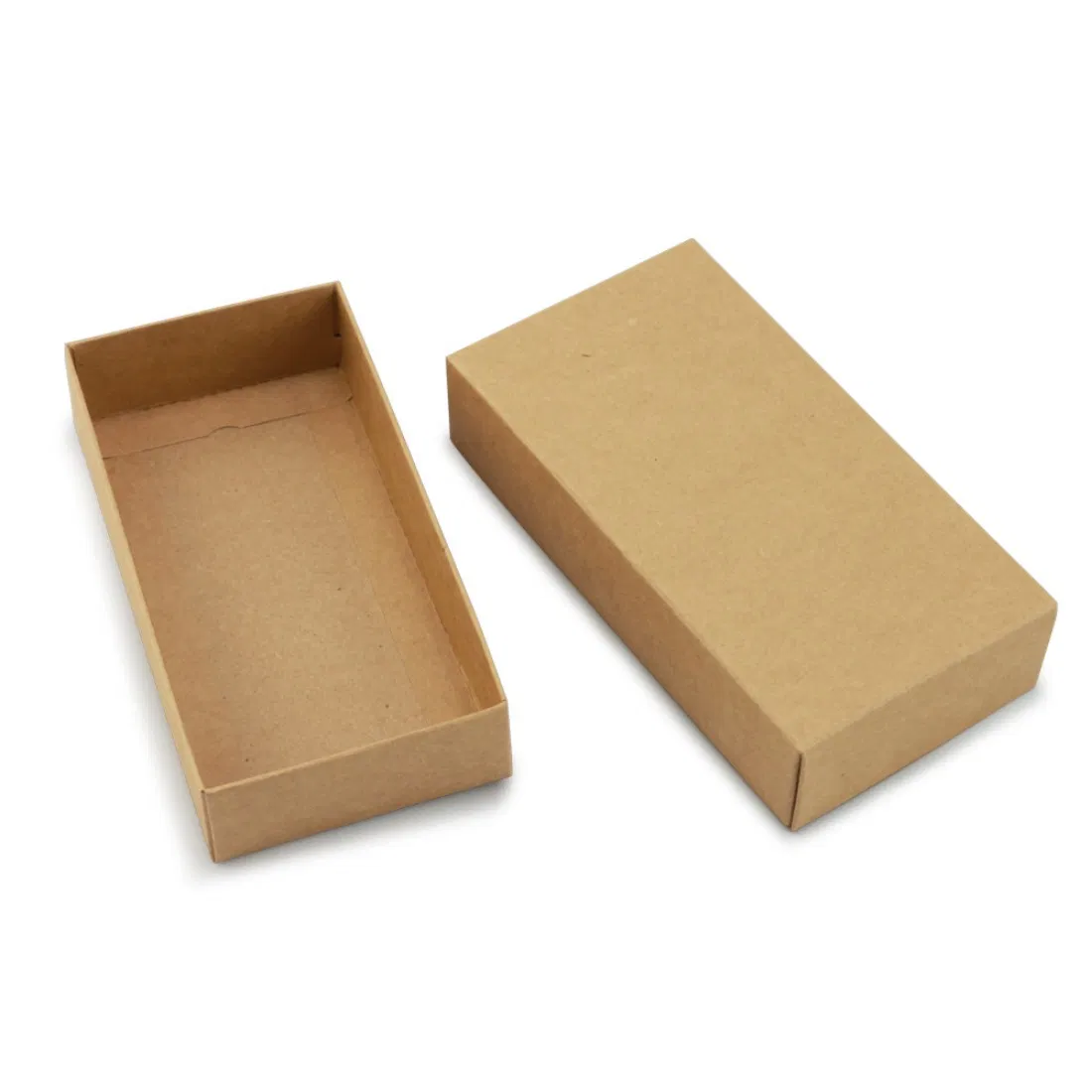
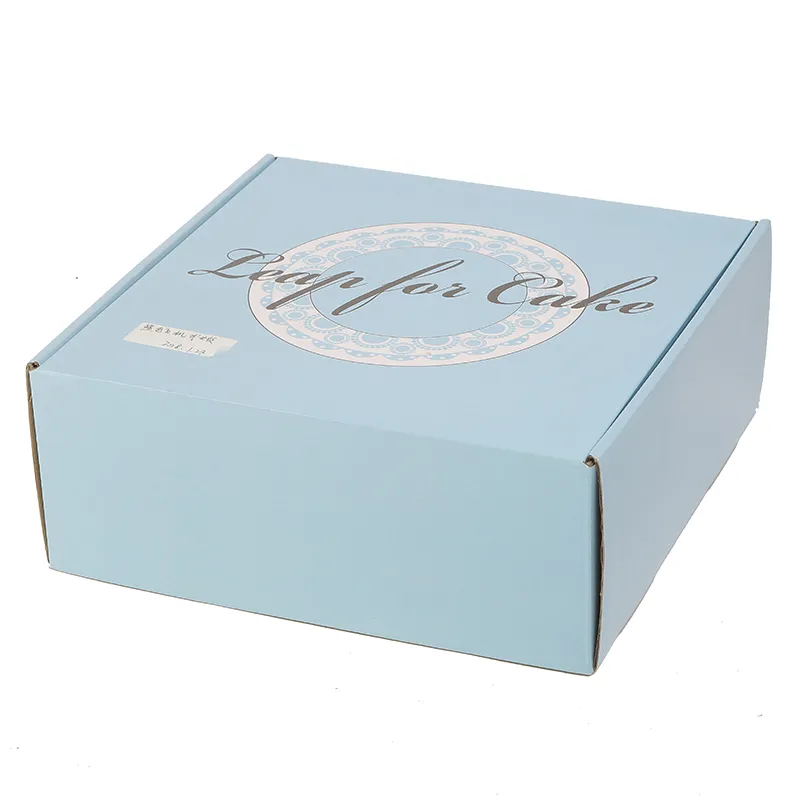
Slim does not have to mean flimsy. A well-chosen box style holds its shape at shallow depths far better than a generic carton folded down. Our overview of box styles is a good starting point, and a fine E-flute mailer is often the sweet spot for letterbox work — protective enough for the journey, thin enough for the slot. If you are weighing a mailer against a heavier carton, mailer boxes versus shipping boxes compares the two honestly.
A few design habits help:
- Right-size the depth first. Measure the product at its tallest point, add a little clearance, and stop there. Our guide to measuring a box walks through the method.
- Lay contents flat. Two items side by side in a shallow box often post cheaper than the same two stacked in a deeper one.
- Use a fitted insert. A die-cut card cradle holds a slim product still without adding bulk. Loose void fill tends to demand depth you do not want to pay for — our inserts and dividers guide covers the options.
- Mind protrusions. A lid catch, a raised label or a proud seam can be the millimetre that tips you into the next band. Keep the profile clean.
Protection still matters
The cheapest postage in the world is a false economy if the product arrives damaged. Slim goods are not automatically fragile, but they can be prone to bending in transit, so specify a board with enough stiffness to resist a folded letterbox and a busy sorting office. For flat, rigid-ish items a firm single-wall board earns its keep; our note on single versus double wall explains when to step up. If damage on arrival is a recurring worry, reducing e-commerce damage and returns is worth a read.
The numbers only work if the maths is right
Because postage repeats forever and the box is a one-off design decision, this is exactly the sort of thing to nail down before printing. A slim redesign that saves even a modest amount per parcel adds up quickly across a few thousand orders, and it costs nothing extra to build in at the dieline stage — but it is effectively impossible to fix once the run is cut.
We are happy to help you size a box around a postal band. Tell us the product dimensions and the service you want to hit, and we will size the dieline to sit comfortably inside it. You can download the relevant free dieline template to check the fit on screen first, or send us the details and request a quote — usually back within one working day, with a slim option shown alongside the standard one so you can see the difference for yourself.