Walk through any fulfilment operation and you will see two box species doing all the work: the mailer box, folded from a single die-cut sheet with a lid that tucks shut, and the shipping box, the taped-up workhorse officially known as an 0201 or RSC (regular slotted container). Choosing between them is one of the first real packaging decisions a product business makes, so it is worth getting the logic straight.
What a mailer box is
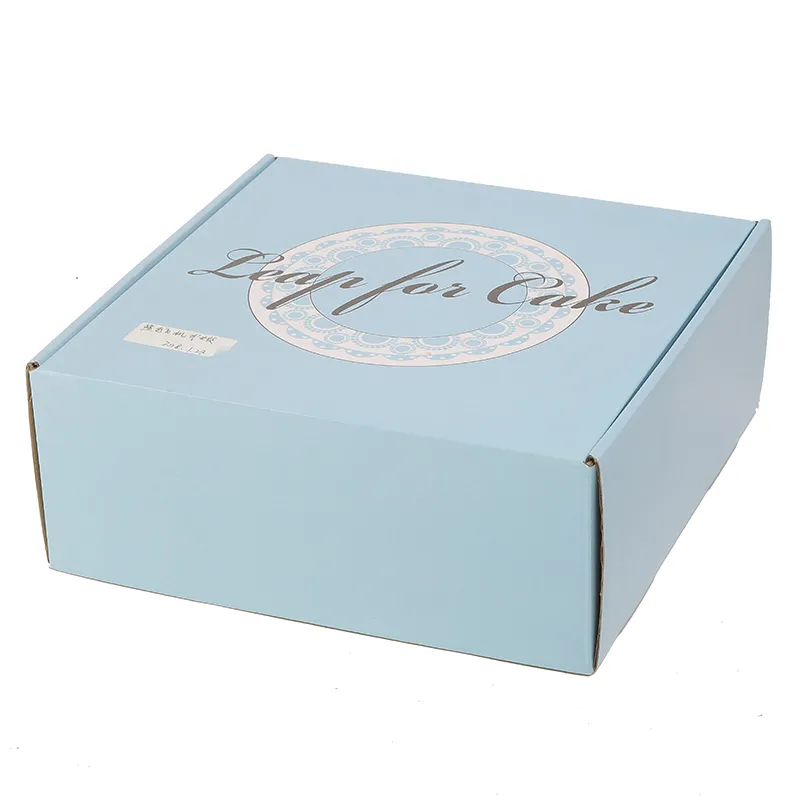
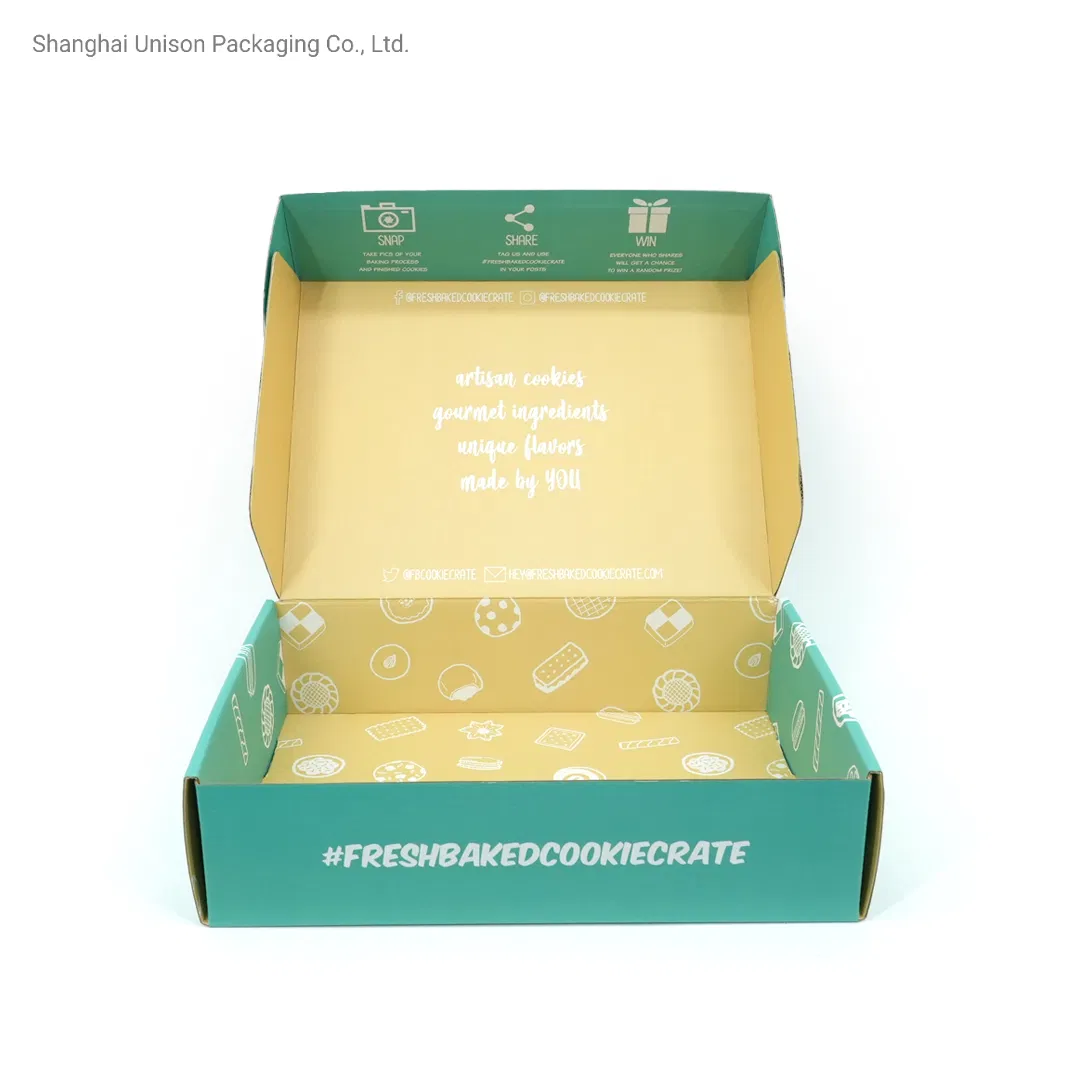
A mailer (roll-end tuck-front, if you want the trade name) is die-cut from one piece of corrugated board — usually fine E-flute — and folds together without tape or glue. The lid tucks into the front wall, the corners lock themselves, and the whole thing opens flat like a book. That opening action is why mailers own the unboxing market: the customer lifts the lid and sees your presentation exactly as you arranged it.
What a shipping box is
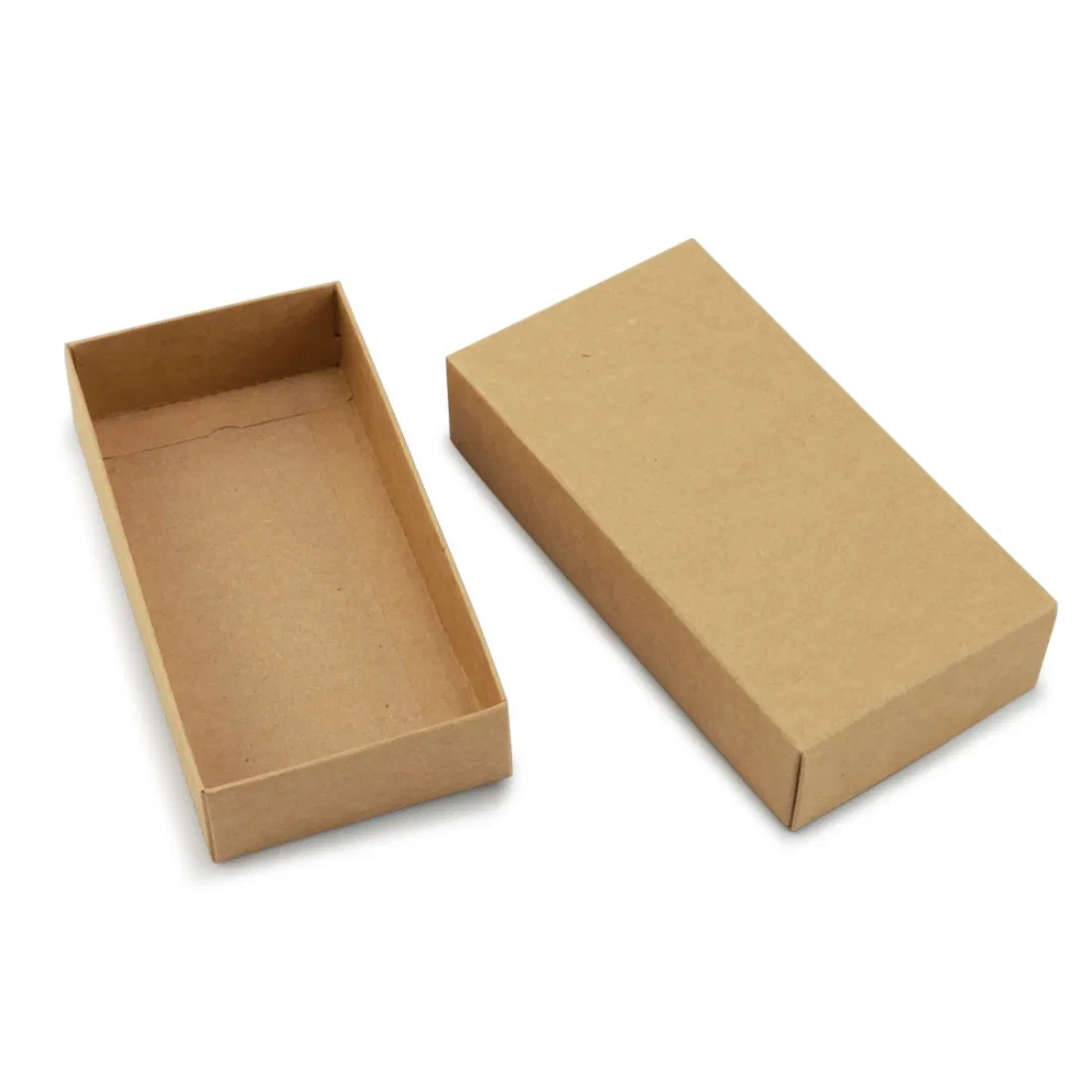
The shipping box is the standard slotted carton: four flaps top and bottom, sealed with tape. It is the cheapest way ever devised to put corrugated board around a product, it stacks beautifully, and in double-wall form it will survive treatment that would kill a mailer. What it will never do is feel like a gift.
Head to head
| Mailer box | Shipping box | |
|---|---|---|
| Unit cost | Higher — more board per m², complex die-cut | Lower — simple cut, minimal waste |
| Assembly | Self-locking, no tape, slower to fold | Needs tape, very fast with practice |
| Protection | Good (E/B-flute); best for light, low-bulk items | Excellent; double-wall handles weight and stacking |
| Print & presentation | Excellent inside and out; premium feel | Fine for logos and single colours; utilitarian |
| Unboxing appeal | The whole point | Minimal |
| Typical uses | Subscription boxes, D2C brands, gifting, apparel | Wholesale, heavy goods, multi-item orders, transit outers |
How to decide in practice
Choose a mailer when the box is part of the product
If your customer is the person who opens the parcel — subscription boxes, cosmetics, coffee, clothing, anything gifted — the mailer earns its extra pennies. It is the first physical thing your brand ever puts in their hands, and a printed interior costs far less than the impression it makes. (We have written more about designing the unboxing experience if you want to go deeper.)
Choose a shipping box when the box is logistics
Selling into retailers or shipping heavy, robust or multi-unit orders? The shipping box wins on cost, strength and stacking. A crisp one- or two-colour print with your logo and handling marks looks entirely professional — nobody expects a wholesale outer to sparkle.
Plenty of brands need both
A common and sensible pattern: retail-ready mailers for direct orders, plain double-wall shipping cases to move stock in bulk. Ordering both from one supplier keeps colours and quality consistent — you can see examples of each in our portfolio.
Two cost notes worth knowing
- Postal bands beat box type. A mailer designed under Royal Mail's Large Letter limit (353 × 250 × 25mm) can cost less to post than a smaller-looking shipping box that tips into Small Parcel. Design to the postal band first, box style second.
- Tape is a hidden cost. Shipping boxes need tape, dispensers and packing seconds; mailers fold shut on their own. At volume this genuinely shows up in labour.
Still torn? Tell us what you are shipping, roughly how many go out each month, and whether the recipient is a customer or a stockroom — request a quote and we will recommend the style honestly, including the cheaper one when it is the right answer.