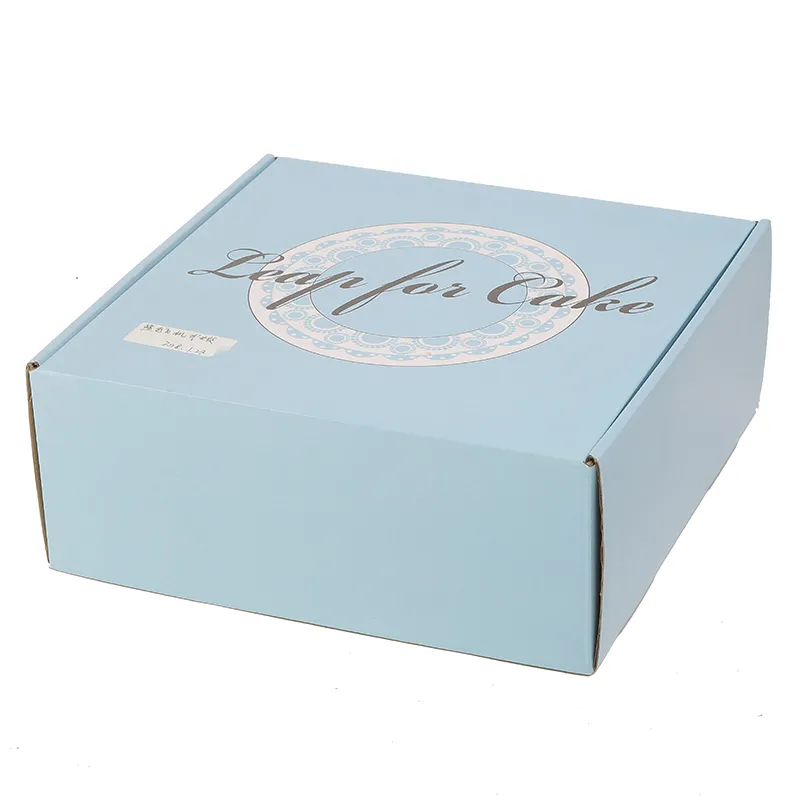
Every brand wants greener packaging, every supplier claims to sell it, and somewhere between the two sits a fog of half-true labels. After years of supplying boxes to UK businesses, our view is that genuinely sustainable packaging comes down to four practical decisions — and none of them involves printing a leaf icon on the lid.
The four decisions that actually matter
1. Use less material
The greenest board is the board you never order. Right-sizing the box to the product cuts fibre use, void fill, and transport emissions in one move, and it saves you money rather than costing it — a rare alignment of virtue and margin. If your box needs a fistful of paper shred to stop the product rattling, the box is too big. Start with our guide to measuring properly.
2. Choose mono-material construction
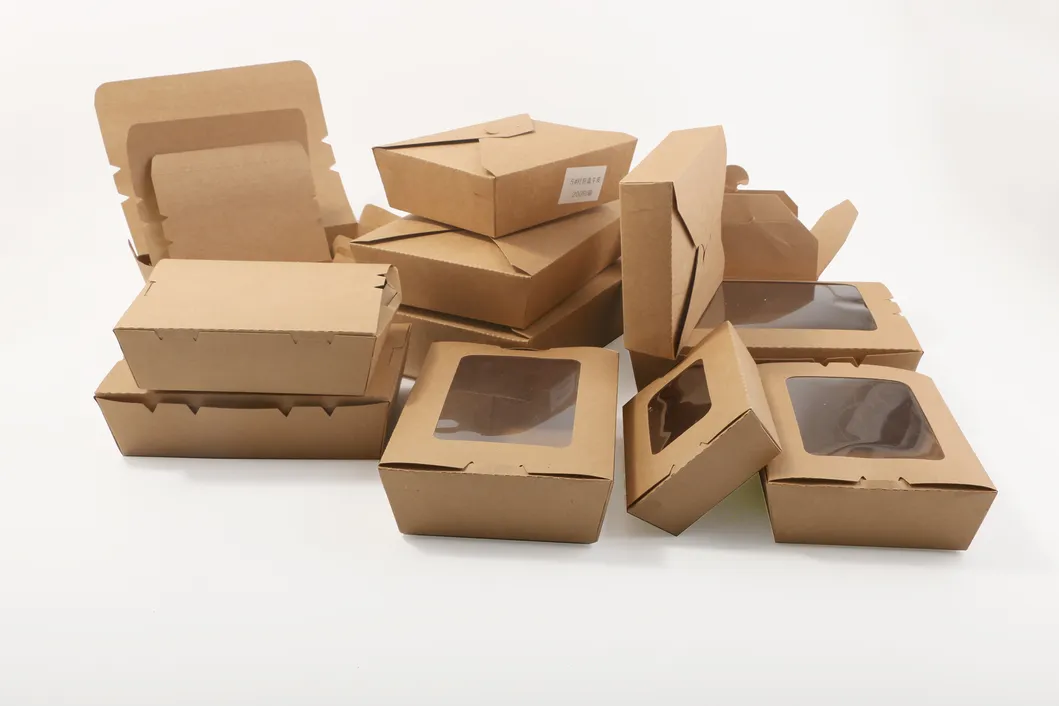
A plain corrugated or carton-board box is one of the most recycled formats on earth — UK paper and card recycling rates run comfortably above 70%, far ahead of plastics. The trouble starts when materials get mixed: plastic windows, foam inserts glued in, metallised films. Each addition makes the whole thing harder to recycle. Corrugated dividers instead of foam, paper tape instead of plastic, and a die-cut cradle instead of a moulded insert keep everything in one waste stream.
3. Specify certified, recycled-content board
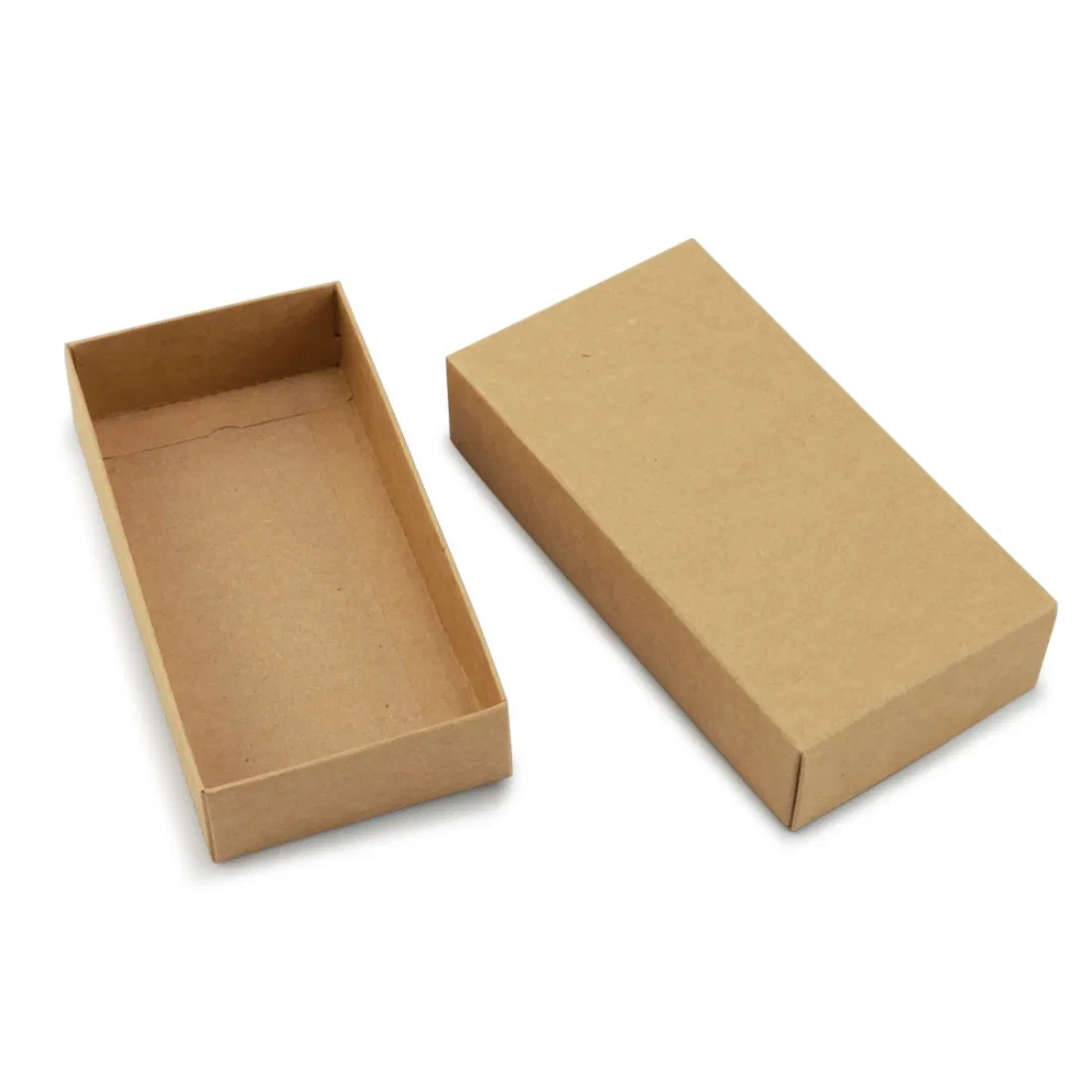
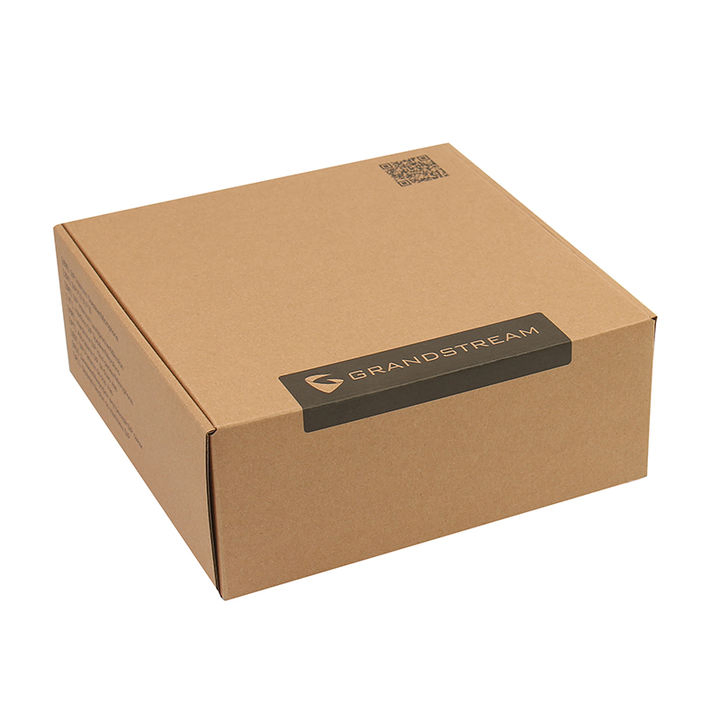
FSC-certified board — which we offer on request — means the virgin fibre content is traceable to responsibly managed forests. Most corrugated already contains a high proportion of recycled fibre as a matter of course. Unbleached kraft goes a step further by skipping the bleaching chemistry, and its honest brown look has become a design asset in its own right.
4. Watch the inks and coatings
Water-based and vegetable-based inks are now standard for quality packaging print and recycle without fuss. The decision point is lamination: a gloss or matt plastic laminate looks lovely and adds wipe-clean durability, but it complicates recycling. If sustainability is a core brand claim, consider an unlaminated finish or a varnish instead — and if you do laminate, do it knowingly rather than by default.
The regulatory backdrop, briefly
Two UK schemes are worth knowing even as a small business. Extended Producer Responsibility (EPR) shifts the cost of household packaging waste onto the businesses that place it on the market — thresholds and fees depend on your turnover and tonnage, so check where you fall as you grow. The Plastic Packaging Tax applies to plastic packaging with less than 30% recycled content; if you are shipping in paper and board, it largely passes you by, which is one more quiet argument for fibre-based packaging. Neither scheme is a reason to panic; both are reasons to keep your packaging simple and well-documented.
Greenwash: the red flags
- "Biodegradable", unqualified. Everything biodegrades eventually — the word is meaningless without a timescale and conditions. Treat it as decoration, not information.
- "Compostable" without certification. Most compostable films need an industrial composting facility, which most UK households cannot access. Home-compostable certification (TÜV OK compost HOME) is the honest version of the claim.
- Recycling logos on unrecyclable combinations. A chasing-arrows symbol on a foil-laminated, foam-lined box is theatre.
- "Eco" ranges at a mysterious premium. Recycled corrugated is a mainstream material, not a boutique one. A modest difference, sometimes; a 40% surcharge, no.
A sensible upgrade path
You do not need to change everything at once. The order we would suggest: right-size the box → swap plastic void fill for paper → move to unbleached or high-recycled board → drop or rethink lamination → then look at inks, tapes and labels. Each step is cheap, defensible and visible to customers.
If you would like packaging that is genuinely recyclable rather than theatrically green, tell us about your product — we will quote FSC-certified and recycled options alongside the standard ones so you can see the real difference. Get a free quote.