
"Cardboard" is one word doing the work of a dozen materials. The board in a lipstick carton, a subscription mailer and a champagne gift box are three different products with different strengths, prices and printing behaviour. Here is the plain-English version of what the trade means when it talks about boards and flutes — enough to read a quote intelligently and choose well.
The three families
1. Folding carton board (solid board)
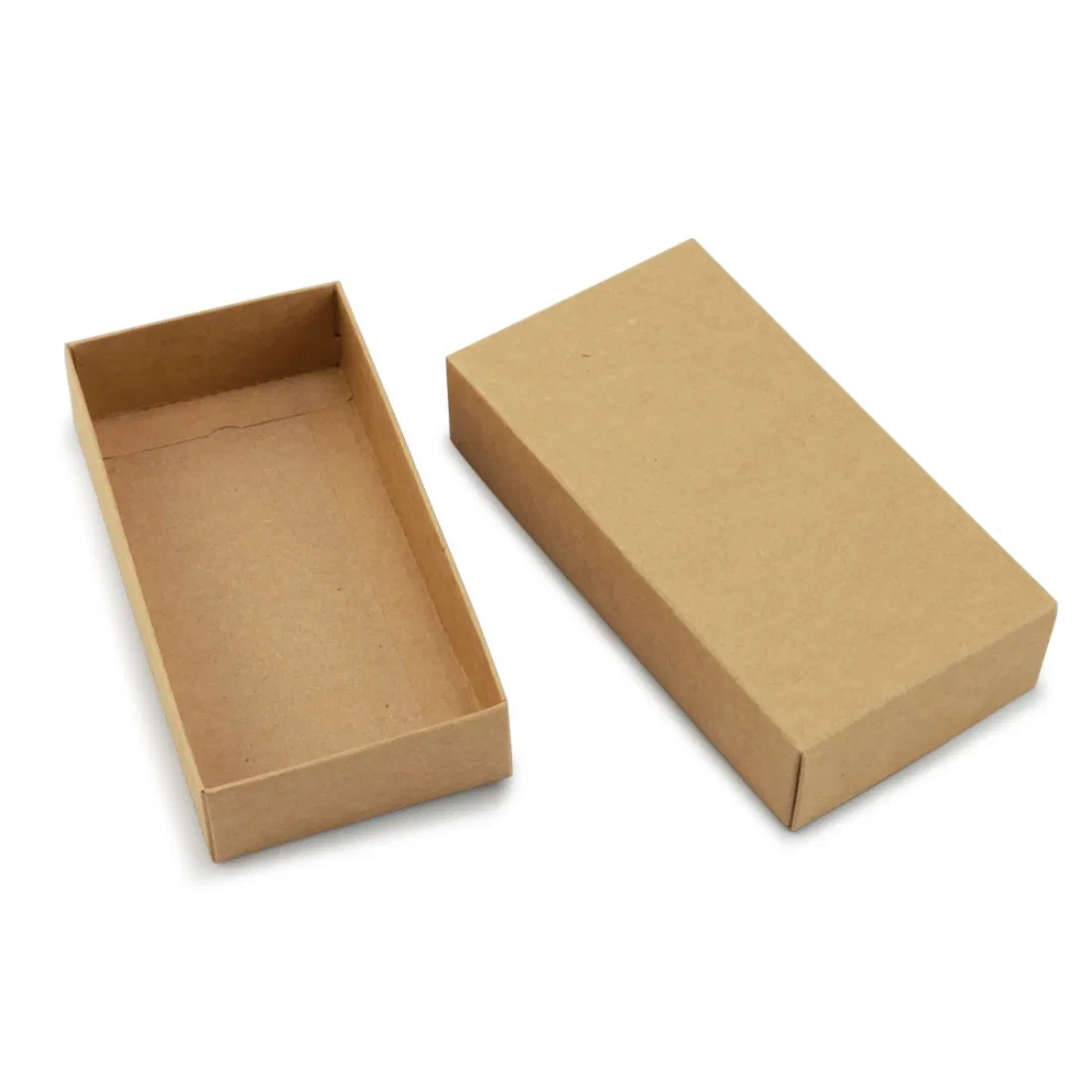
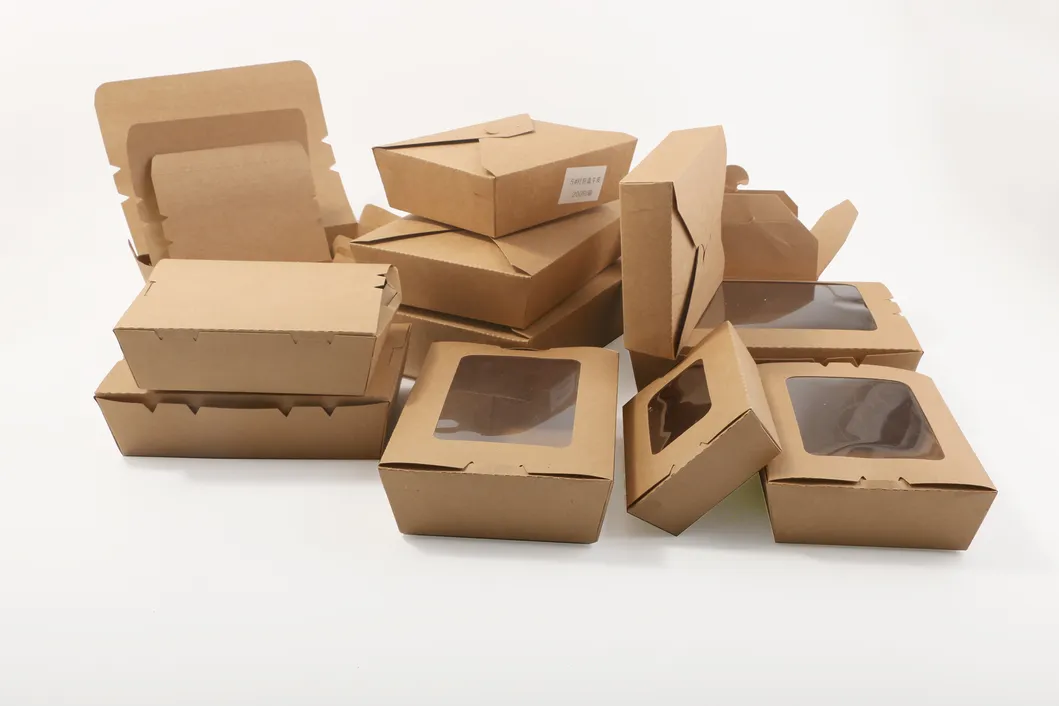
A single, solid sheet of fibre, typically 250–400gsm — the material of cereal boxes, cosmetics cartons and sleeves. It creases cleanly, prints beautifully (it is the smoothest surface of the three), and is the cheapest to convert, but it offers structure rather than protection. Use it for retail-shelf packaging, inner cartons and anything where print quality leads. Comes as bleached white (SBS), coated recycled, or unbleached kraft.
2. Corrugated board
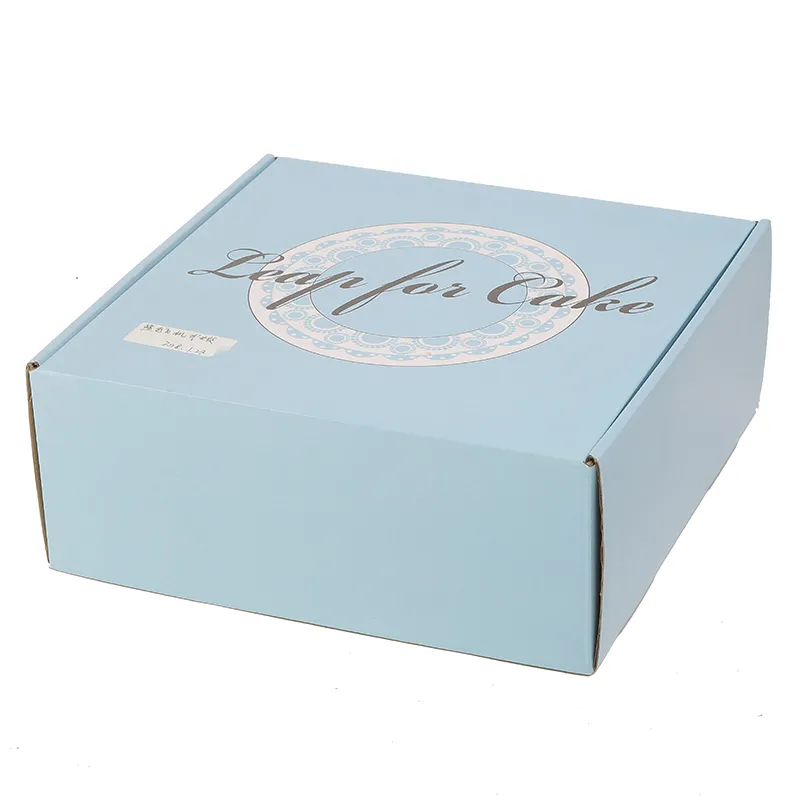
The sandwich: a wavy fluted layer glued between flat liners. The flute acts as a spring and a spacer, giving corrugated its strength-to-weight magic. Single-wall (one flute layer) handles most e-commerce; double-wall (two flute layers) handles weight, stacking and couriers having a bad day. This is the material of mailer boxes and shipping cases alike.
3. Rigid board (greyboard)
Thick, dense, unbending board — 1,200–3,000gsm — wrapped in printed paper to make the luxury boxes that phones, perfume and jewellery arrive in. It does not fold flat, costs several times more to make and ship, and feels wonderful. We look at when rigid boxes earn their money separately.
Flutes, decoded
Flutes are graded by letter according to their thickness — the letters are historical, not alphabetical by size, which trips everyone up at first. The ones you will actually meet:
| Flute | Thickness | Character | Typical use |
|---|---|---|---|
| E | ~1.5mm | Fine, smooth surface, crisp print, folds tightly | Mailer boxes, retail packaging, subscription boxes |
| B | ~3mm | The all-rounder: good crush resistance, decent print | Shipping boxes, transit packaging, heavier mailers |
| C | ~4mm | More cushioning, slightly softer print surface | Stacking cartons, fragile goods |
| BC (double wall) | ~6–7mm | B + C glued together; serious protection | Heavy products, pallet freight, export |
The pattern to remember: finer flutes print better, thicker flutes protect better. E-flute exists because brands wanted corrugated protection with carton-quality print; BC exists because couriers stack parcels like masonry.
Liners: kraft, test and white
The flat outer faces of corrugated board also come in grades. Virgin kraft liner is the strongest and takes print evenly; test liner is its recycled-content sibling, marginally less strong, entirely respectable, and usually what you want on cost and sustainability grounds. White-top liner gives a bleached printing face for vivid colour on the outside of an otherwise brown box. Unprinted brown-on-brown remains the cheapest combination going, and — fashion being circular — currently looks rather stylish too. FSC-certified versions of all of these are available on request.
Choosing in practice
- Lightweight product, print quality matters: folding carton, or E-flute if it travels solo by post.
- Typical e-commerce parcel under a couple of kilos: E-flute mailer or single-wall B-flute shipping box.
- Heavy, stacked, or courier-bound freight: B-flute minimum; BC double-wall once weight climbs or boxes get big.
- Premium gifting: rigid greyboard, or a laminated E-flute if the budget objects.
- Products inside another box: folding carton inners in a corrugated outer — each material doing the job it is best at.
Thickness also eats internal space — roughly 3mm per wall for B-flute, twice that for double-wall — so specify internal dimensions and let your supplier handle the geometry (our measuring guide explains the conventions).
If you are unsure which grade your product needs, do not guess: tell us what you are packing, how heavy it is and how it ships, and we will specify the board honestly — E-flute where E-flute will do, double-wall where it genuinely will not. Request a quote and we will come back within one working day.