
Three printing methods produce almost every box you have ever opened, and each one is the right answer to a different question. Choose well and you get the finish you pictured at a price that makes sense; choose badly and you either overpay for short runs or under-deliver on quality at volume. Here is how the three compare, without the jargon.
Lithographic (offset) printing
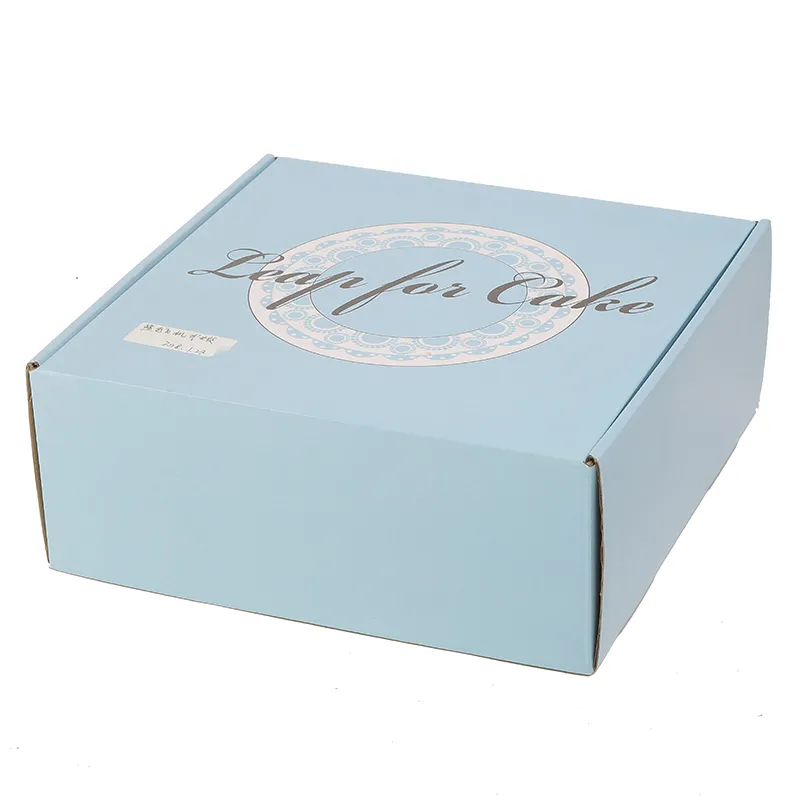
Litho is the gold standard for image quality. Ink transfers from etched plates via a rubber blanket onto smooth sheets — usually carton board, or paper that is then laminated onto corrugated (which is how high-end mailer boxes get photographic print on a fluted material). Fine text, smooth gradients, dense solids, tight colour control including PMS spot colours: litho does it all.
The catch is set-up. Plates must be made and the press brought up to colour before the first good sheet appears, which puts a fixed chunk of cost at the front of every job. Spread over 5,000 boxes it vanishes; over 100 boxes it dominates.
Litho wins when: photographic artwork, brand-critical colour, premium retail packaging, and quantities in the thousands.
Digital printing
Digital is inkjet or toner straight onto the board — no plates, no make-ready, no set-up cost worth mentioning. The first box costs the same as the five-hundredth, which has quietly revolutionised packaging for small brands. Modern digital quality is excellent, though very large flat areas of a single colour and precise PMS matches remain litho's home turf (digital builds colour from CMYK, so it gets close rather than exact).
Digital also unlocks things litho cannot do economically: versioned designs in one run, seasonal editions, postcode-level personalisation, and honest short runs. It is the reason we can offer a 50-box minimum with no set-up fees — the economics genuinely allow it, as we explain in our guide for startups.
Digital wins when: short and medium runs, multiple design versions, fast turnarounds, and full-colour artwork without volume commitments.
Flexographic printing
Flexo prints from flexible relief plates directly onto corrugated at industrial speed. It is the workhorse of the shipping-box world: logos, line-work, one to three solid colours, repeated hundreds of thousands of times at minimal unit cost. Fine detail and smooth photographic imagery are not its strengths — the fluted surface underneath sees to that — but for bold, simple branding at serious volume nothing touches it on price.
Flexo wins when: simple artwork, one to three colours, and quantities with several zeros on the end.
The comparison at a glance
| Litho | Digital | Flexo | |
|---|---|---|---|
| Image quality | Outstanding | Very good | Fair — bold graphics only |
| Set-up cost | High (plates, make-ready) | Effectively none | Moderate (plates) |
| Unit cost at volume | Low | Flat — doesn't fall much | Lowest |
| Sweet-spot quantity | 2,000+ | 50–2,000 | 5,000+ |
| PMS spot colour | Yes, exact | Simulated in CMYK | Yes |
| Versioned designs | Costly | Trivial | Costly |
Finishes are a separate decision
Foil blocking, embossing, spot UV and soft-touch lamination are applied after printing, whatever the method. Each adds its own cost and its own bit of theatre — worth having, in moderation, on packaging the end customer handles. We cover where they pay their way in our piece on the unboxing experience.
What this means for your order
- Launching or testing? Digital. Change the design next run without writing off plates.
- Established SKU, thousands per order, colour-critical brand? Litho earns its set-up.
- Plain transit boxes with a logo, ordered by the pallet? Flexo.
You do not have to name the method when you request a quote — describe the artwork and the quantity, and we will price the route that serves the job best. Print-ready files help too; our artwork guide covers dielines, bleed and CMYK in detail.