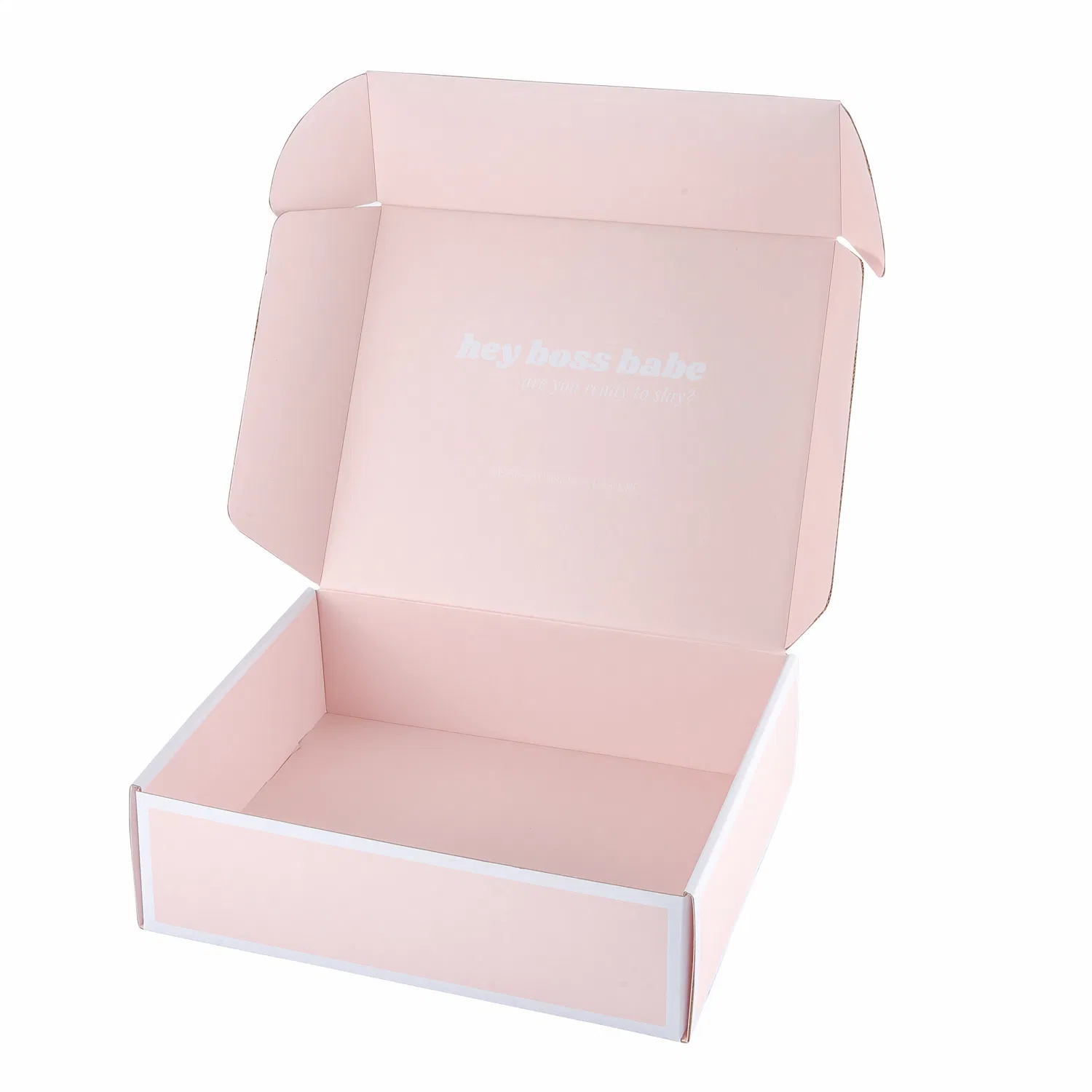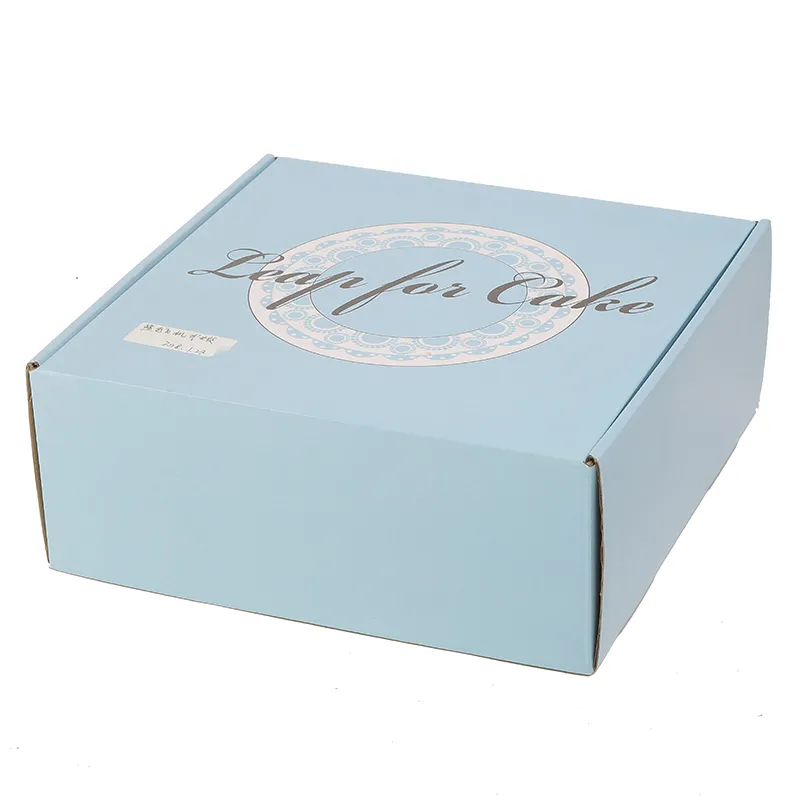
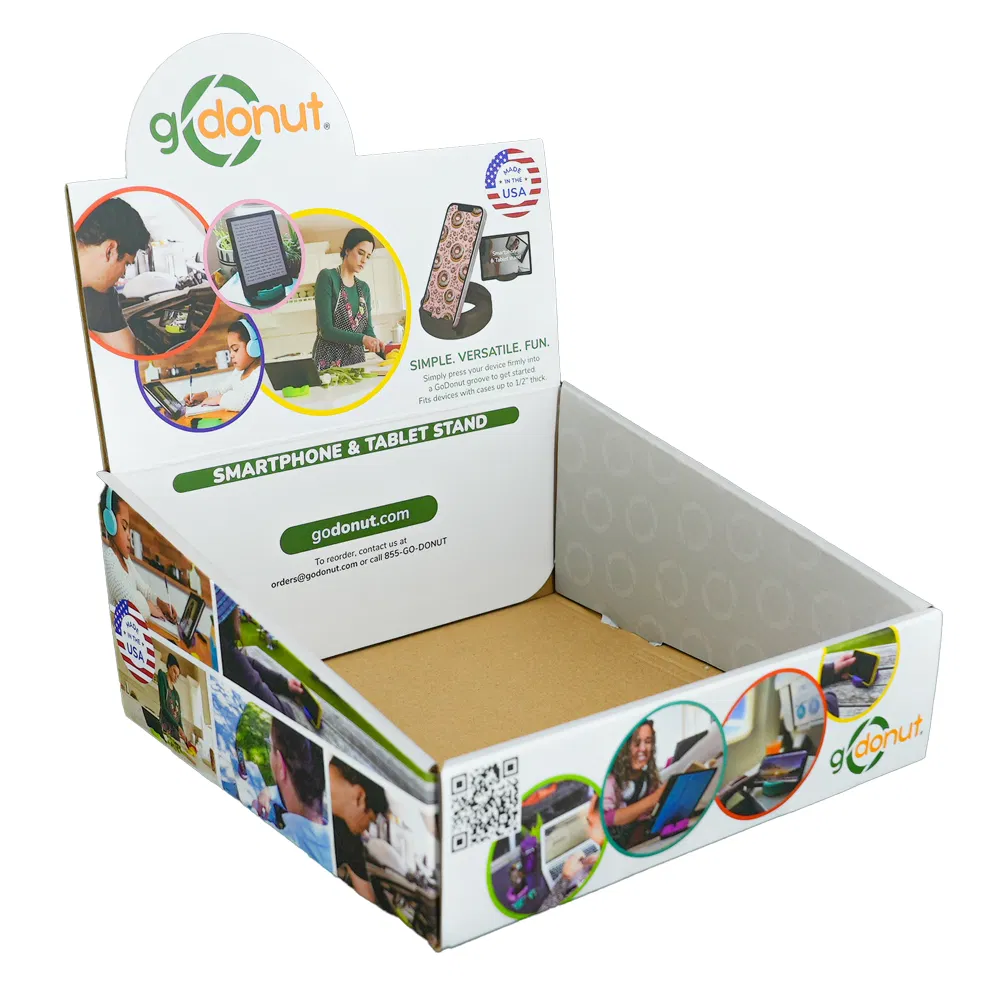
For decades the packaging industry had an unwritten rule: come back when you need five thousand. Minimum order quantities kept small brands in plain brown boxes and tissue-paper compromises long after their products deserved better. That rule has quietly died, and understanding why — and how to take advantage — is genuinely useful if you are building a product business right now.
Why big minimums existed at all
Traditional packaging print is litho or flexo, and both put a wall of fixed cost in front of every job: plates etched, presses made ready, waste sheets run until the colour settles. That cost is the same whether you print 200 boxes or 20,000, so suppliers set minimums where the maths stopped being embarrassing. Nobody was being greedy; the machines simply worked that way. (Our printing methods guide explains the mechanics.)
What changed
Digital printing removed the plates, and with them the wall. A digital press can print fifty boxes today and a different design tomorrow with no set-up between — so the old minimums became a business choice rather than a physical necessity. We chose differently: a 50-box minimum, no set-up fees, and free dieline templates, because a startup's first hundred parcels are precisely when packaging matters most. That first customer does not grade you on a curve for being small.
What low-MOQ ordering is actually for
Small runs are not just small versions of big orders — they let you operate in ways big-run brands cannot:
- Test before you commit. Print 50–100, pack real orders, and discover the truths no mock-up reveals: the lid that needs two hands, the insert that rattles, the tagline that reads oddly at parcel size. Then fix it on the next run at no penalty.
- Protect your cash. Packaging is stock, and stock is cash sitting in a spare room. Matching order size to your actual sales rate keeps money free for the things that grow a young business.
- Iterate your brand. Most startups sharpen their identity in the first year. A garage shelf holding 4,500 boxes with the old logo is a monument to premature confidence.
- Run seasonal editions. A holiday sleeve or a limited drop stops being a fantasy when the minimum is 50.
The honest trade-off
Small runs cost more per box — there is no pretending otherwise, and our cost guide shows the typical curves. A mailer that costs £1.80 each at 100 might be 90p at 1,000. The way to think about it: at startup volume the total cheque is small either way, and the premium buys you the right to change your mind. Scale into bigger runs when your sales — not your optimism — say so.
Ordering small, done well
- Nail the size first. A wrongly sized box is 100% wasted whatever the quantity — five minutes with our measuring guide prevents it.
- Start with one hero format. One great mailer beats three mediocre formats. Add sizes as real orders demand them.
- Design on the real dieline. Download the template for your box style and size before artwork begins, not after.
- Spend your accent budget once. Inside print or tissue or a foil mark — one flourish lands harder than three (see our unboxing piece).
- Reorder before you run out. Allow around five working days for production; sellotape-and-plain-box week is a poor look mid-launch.
If you are at the start of this road, send us the product dimensions and a sense of your first order size — quotes are free, arrive within one working day, and nobody here will sniff at an order of fifty.