
"How much for 500 boxes?" is the question we hear most, and the honest answer is the one nobody enjoys giving: it depends. Not because suppliers are being evasive, but because a box is four decisions stacked on top of each other — size, material, print and finish — and each one moves the price. This guide sets out what actually drives the cost of custom packaging in the UK, with realistic ranges, so you can budget properly before you ask anyone for a quote.
The four things that set your price
1. Size and board usage
Packaging is bought by the sheet, so the amount of board your box consumes matters more than almost anything else. A box that is 10mm too big in every direction can push you onto a larger sheet size and add a surprising amount across a full run. Right-sizing — designing the box around the product rather than the other way round — is the single cheapest saving available, and it also trims your postage. Our guide to measuring a box correctly covers this in detail.
2. Material
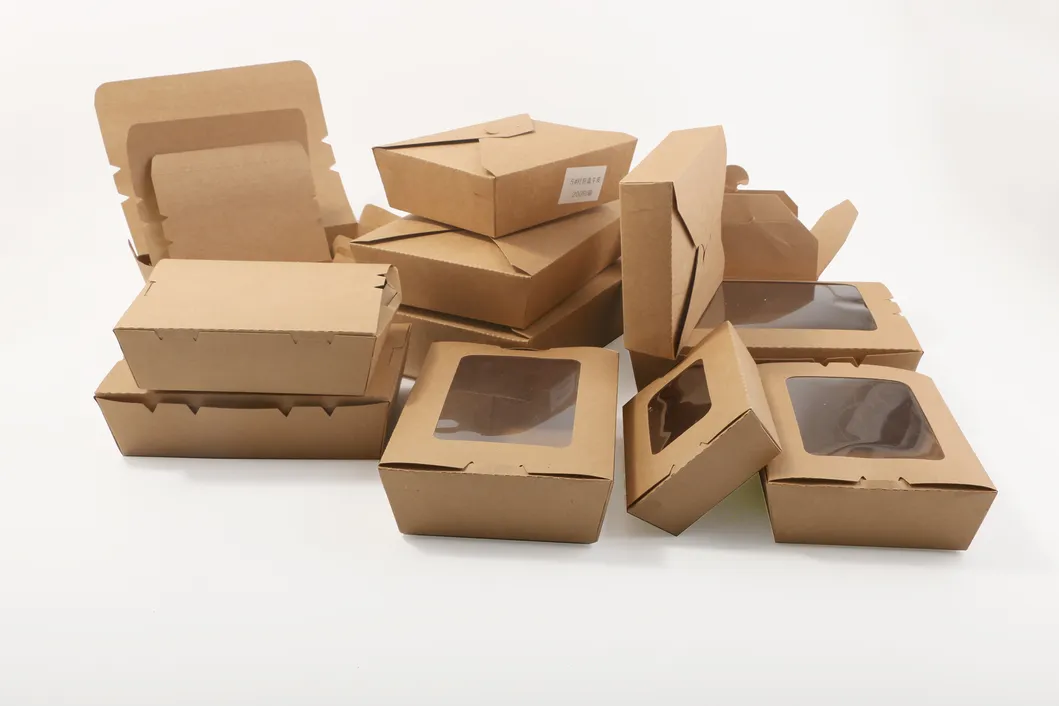
As a rule of thumb, from cheapest to dearest: single-wall corrugated, folding carton board (the material of cereal boxes and cosmetics cartons), double-wall corrugated, then rigid board (the stiff, wrapped board of premium gift boxes). Recycled kraft liners tend to cost slightly less than bleached white liners, and they photograph rather well too.
3. Print
One-colour print on kraft is the budget end. Full-colour CMYK across every surface is mid-range. Add printing on the inside of the box and you are paying for a second pass or a more involved lamination, which shows in the unit price. Print method matters as well — we've compared litho, digital and flexo separately, but the short version is that digital suits short runs and litho rewards volume.
4. Finishes
Matt or gloss lamination, foil blocking, embossing, spot UV, soft-touch coatings — each is a separate process with its own cost. One well-chosen finish usually does more for shelf presence than three competing ones, and your budget will thank you for the restraint.
Realistic per-unit ranges
Treat the figures below as honest 2026 ballparks for typical small-to-mid runs, not quotations. Every project prices individually — which is why we turn quote requests around within one working day rather than publishing a misleading price list.
| Box type | Typical spec | Rough unit range |
|---|---|---|
| Plain stock carton | Unprinted, standard size | £0.10 – £0.40 |
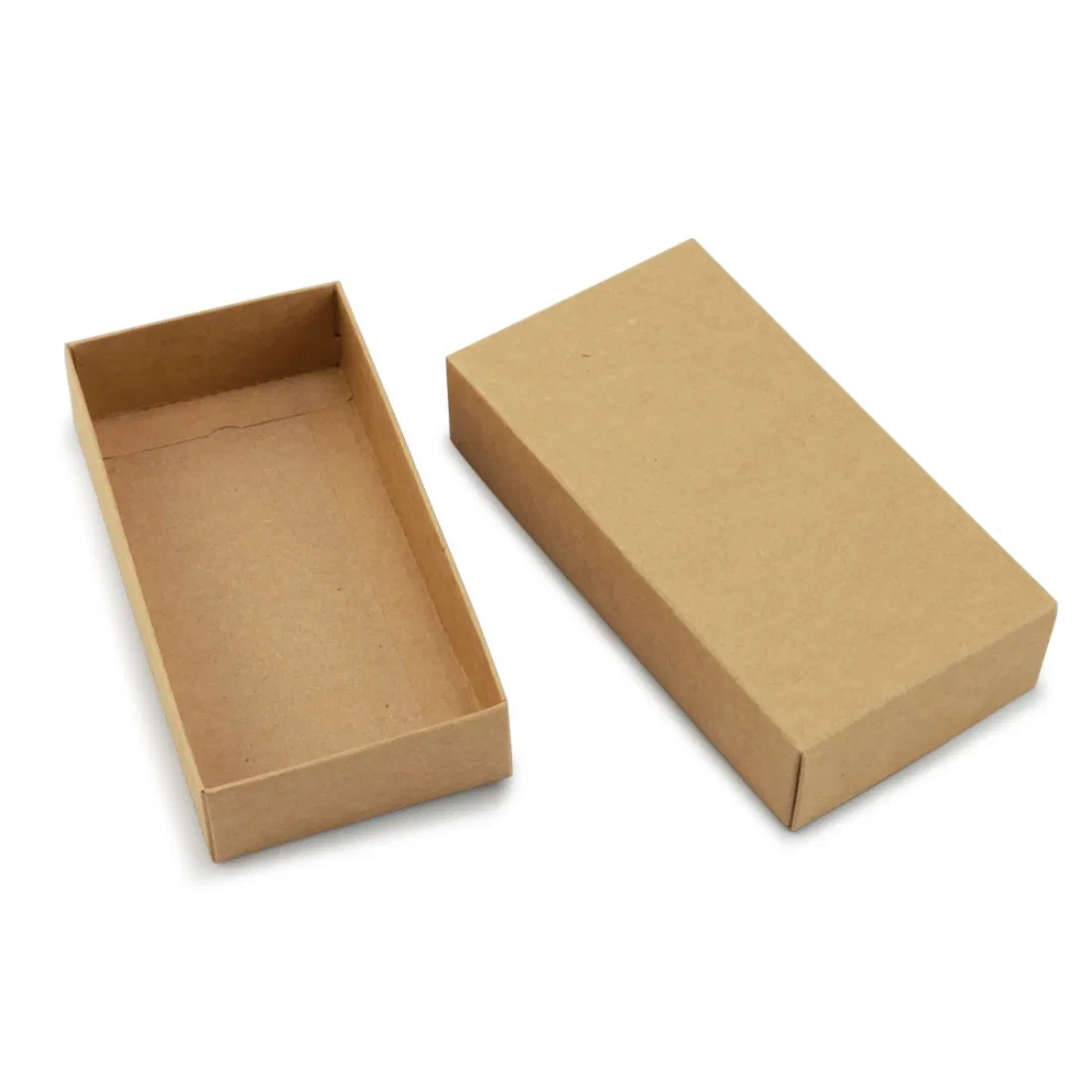
| Printed folding carton | CMYK outer, 300–350gsm board | £0.25 – £0.90 |
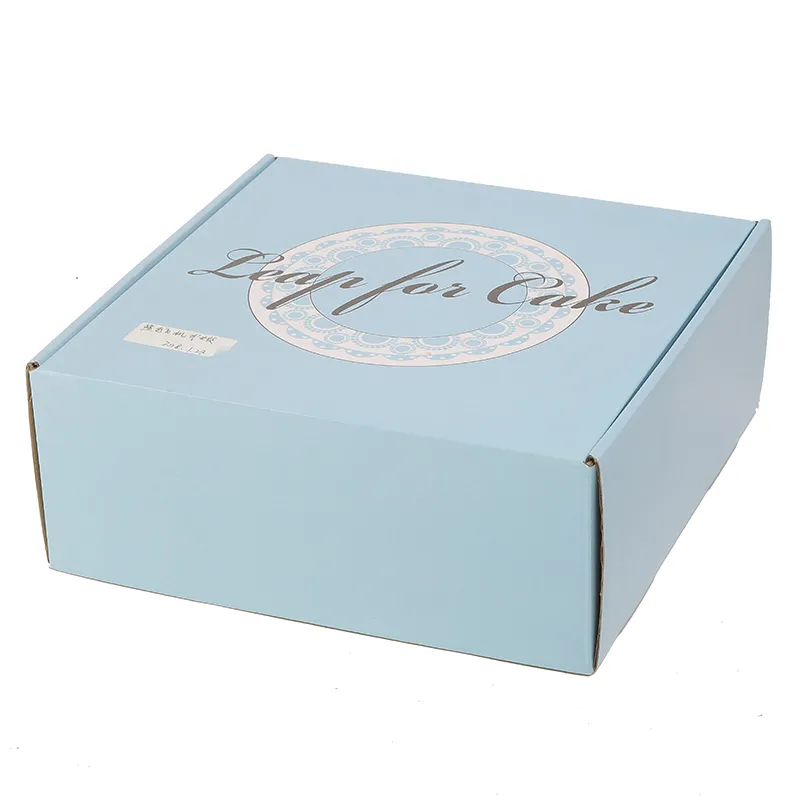
| Printed corrugated mailer | E-flute, full-colour outer | £0.60 – £2.00 |
| Printed shipping box | Single/double wall, 1–2 colours | £0.50 – £1.80 |
| Rigid gift box | Wrapped greyboard, finishes | £2.00 – £8.00+ |
Why quantity changes everything
Most of the cost of a print run sits in getting the job ready — origination, machine set-up, make-ready sheets. Once the run is moving, each extra box costs pennies of board and ink. That is why 2,000 boxes rarely costs four times the price of 500. It is also why traditional suppliers push high minimums. We work differently: a 50-box minimum and no set-up fees, because startups deserve proper packaging before they can commit to a pallet-load. If that is your situation, our low-minimums guide for startups is worth ten minutes of your time.
The hidden costs people forget
- Artwork and dielines. Some suppliers charge for cutter drawings. Ours are free — you can download dieline templates and drop your artwork straight on.
- Delivery. Boxes are light but bulky, and carriers charge for volume. We include free UK delivery on orders over £100.
- VAT. Packaging is standard-rated. If you are VAT-registered you will claim it back, but budget the cash flow either way.
- Storage. A great unit price on 10,000 boxes is not so great when they occupy your spare room for two years.
How to keep the price down without cheapening the box
- Right-size ruthlessly — every spare millimetre is board you are paying for.
- Print one side beautifully rather than every surface adequately.
- Choose one finish, not three.
- Order a sensible quantity: enough for a fair unit price, not so much that stock ties up cash.
- Ask your supplier what sheet sizes they run — a 5mm tweak sometimes drops you into a cheaper band.
The best way to get a real number rather than a range is simply to ask. Tell us the box style, rough size and quantity, and we will come back with an honest price — usually within one working day. Request your free quote here.