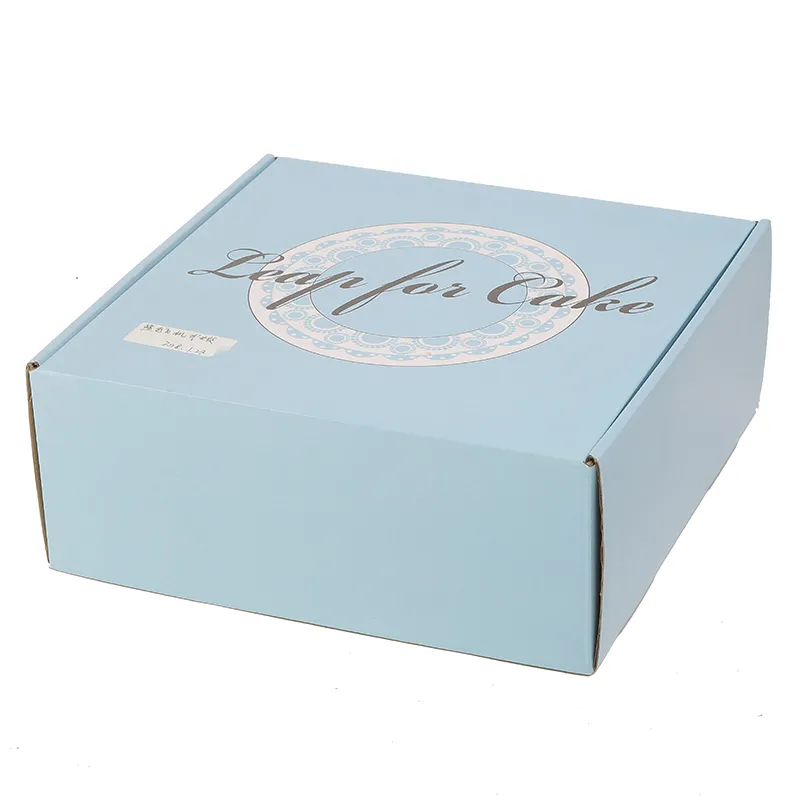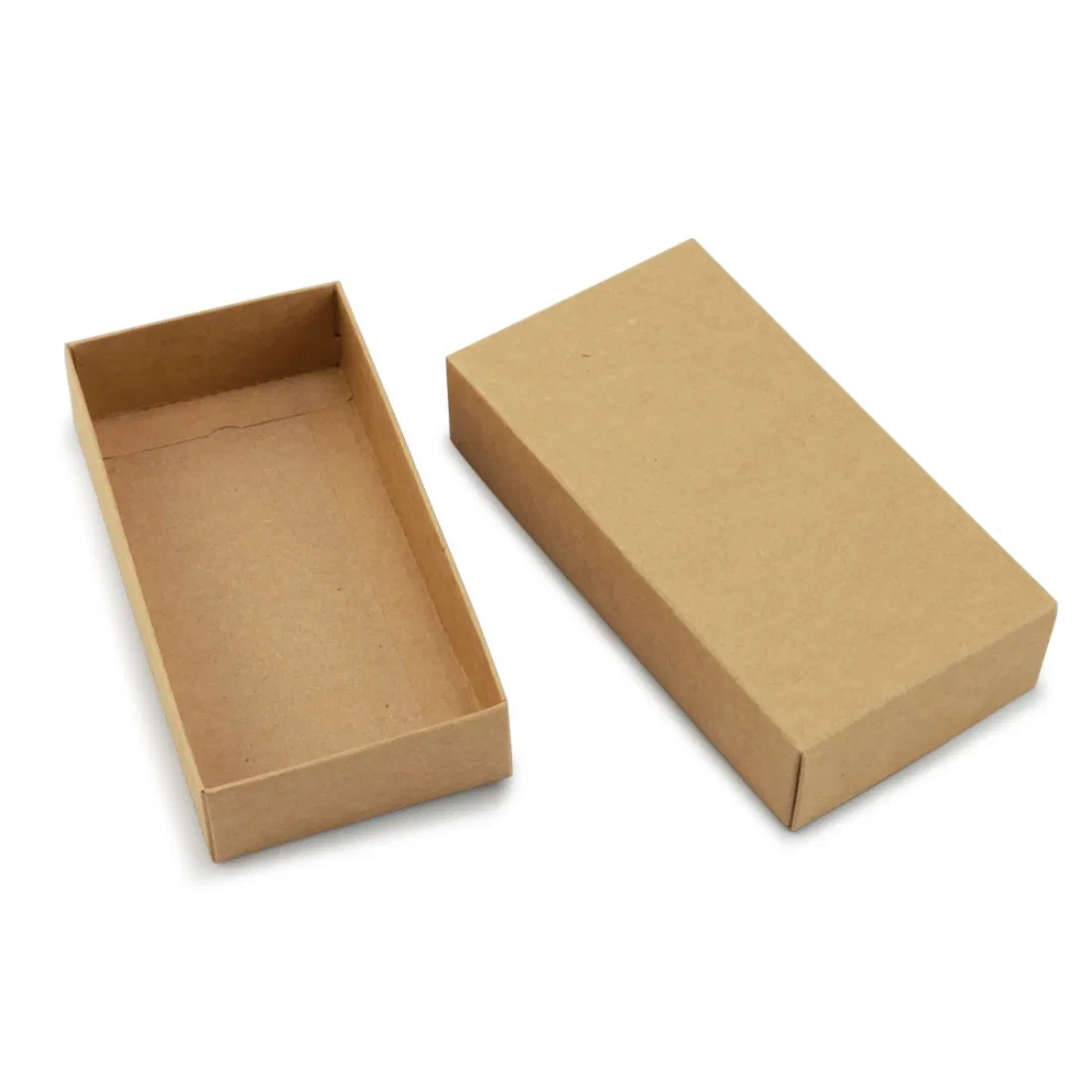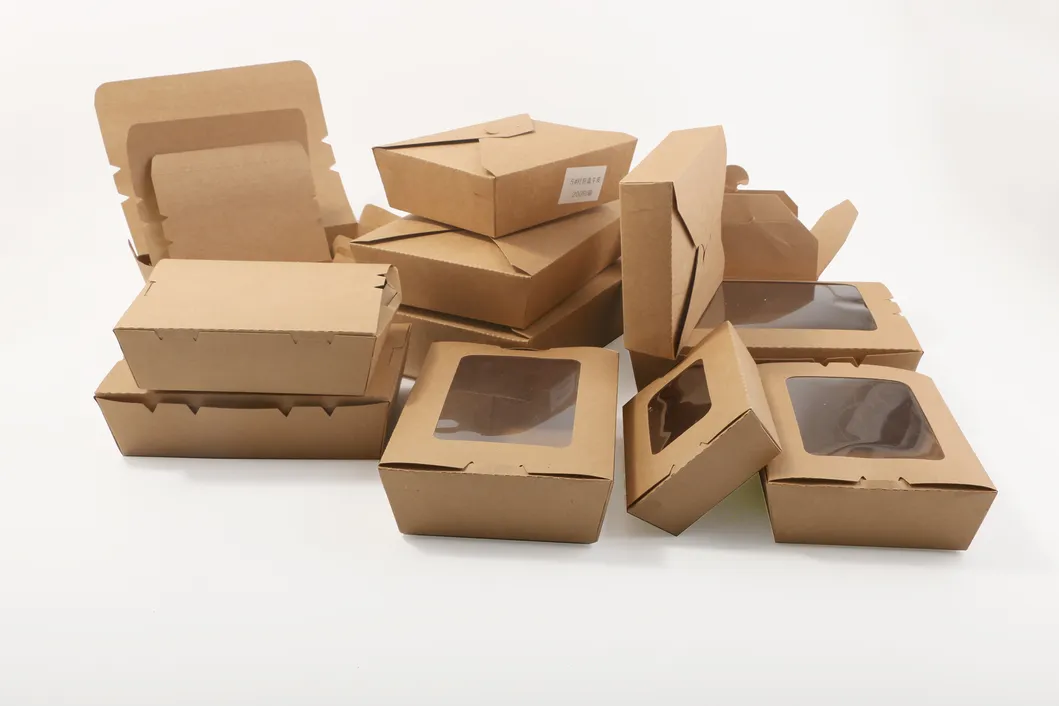

A damaged parcel never costs you once. It costs the refund or replacement, the second delivery, the customer-service time, and — the expensive part — the one-star review that greets every future buyer. Set against all that, the difference between the right box and the wrong one is pennies. Here is how to engineer parcels that arrive intact without paying to ship fresh air.
Start from what couriers actually do
Design for the journey, not the warehouse shelf. In a national parcel network your box will be dropped onto rollers, sorted by machine, thrown into cages, and stacked under heavier parcels — conservatively, expect several drops of up to a metre and sustained compression in transit. None of this is negligence; it is throughput. A box that only survives careful handling is a box that fails routinely.
Right-sizing: the cheapest protection there is
The single most effective change most e-commerce brands can make is shrinking the box. Oversized boxes fail more, not less: empty space lets products accelerate inside the parcel, void fill collapses under repeated shock, and half-empty boxes crush when stacked. A snug box with 5–10mm of clearance beats a roomy one with a fistful of paper shred almost every time — and it costs less to buy and less to post. Our measuring guide shows how to get the clearances right.
Postage is sized on volume as much as weight. Trimming a box under a carrier band — Royal Mail's Large Letter at 353 × 250 × 25mm being the famous one — saves money on every parcel forever, which adds up faster than any packaging discount ever will.
Match the board to the risk
Protection comes from the corrugated grade, not from hope. As working defaults:
- E-flute (~1.5mm): light goods under about 1kg — apparel, cosmetics, books. Crisp print, letterbox-friendly.
- Single-wall B-flute (~3mm): the standard parcel workhorse for 1–5kg.
- Double-wall BC (~6mm): heavy, dense or fragile items, multi-unit orders, anything travelling on a pallet.
Full detail in our cardboard grades guide. If the product is heavy and fragile — glassware, ceramics, liquids — the box is only half the answer; the other half is what holds the product still inside it.
Inserts beat void fill
Loose fill (paper shred, air pillows) stops rattle on robust goods, and that is about all it does. Under repeated impact it migrates and compacts, and the product ends up against the wall of the box by parcel three of the stack. For anything breakable, a die-cut corrugated insert — a cradle cut to the product's shape — immobilises the item, keeps it away from the walls, and turns the whole parcel into a single rigid unit. It also presents beautifully on opening, which is a pleasant side effect. Being mono-material, corrugated inserts recycle with the box, unlike foam.
Small engineering details that earn their keep
- Self-seal and tear strips. A peel-and-seal strip speeds packing; a second strip plus a tear-open zip makes returns effortless — the customer reuses the same box. Fewer "how do I return this?" emails, tidier returns stock.
- Tape discipline. If you use tape, one straight strip along the seam (the "H-taping" pattern for heavy boxes). Mummified parcels read as amateur and infuriate customers.
- Print "fragile" sparingly. Evidence that it changes handling is thin; a properly engineered box does not need to plead.
Test like a courier, not like an optimist
Before committing to a full run, give your candidate box the kitchen-floor trial: pack a real order, then drop it from about 80cm onto a hard floor — flat on the base, on an edge, and on a corner, several times each. Shake it hard. Stack 15kg on top overnight. Open it and inspect. Ten minutes of honest abuse tells you more than any brochure, and adjusting the spec after a failed drop test costs nothing; adjusting it after a hundred refunds does not bear thinking about.
Track the number that matters
Damage rate is a metric like any other: damaged-in-transit claims divided by parcels shipped. Above 1–2% and your packaging is underbuilt (or oversized — same symptom); at zero with lavish materials you may be overbuilt and overpaying. Review it quarterly alongside your postage-per-parcel and the picture stays honest.
If you are seeing breakages, or you suspect you are paying to post air, tell us what you ship and how — request a quote and we will spec the board, size and insert honestly, including the cheaper option when that is the right answer.