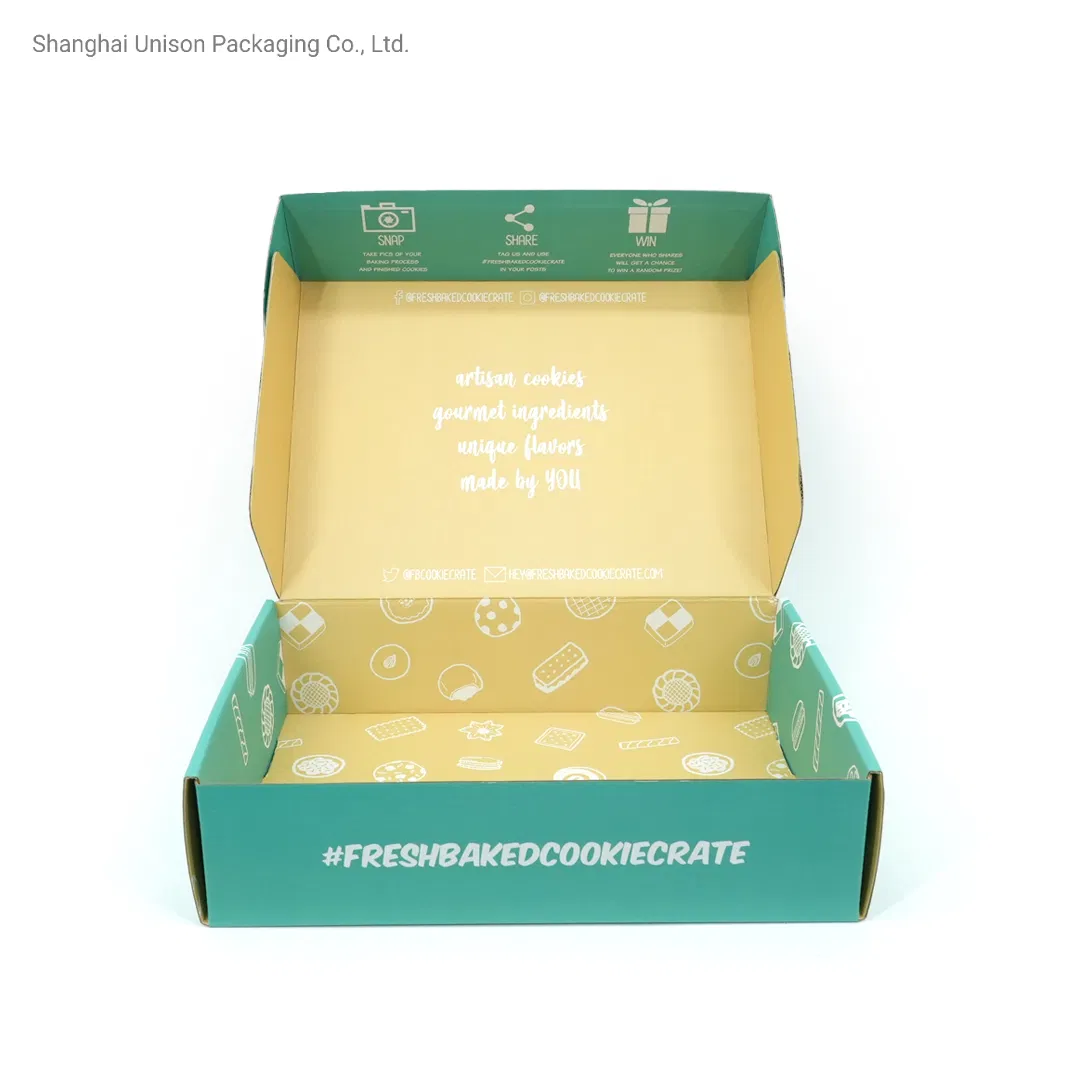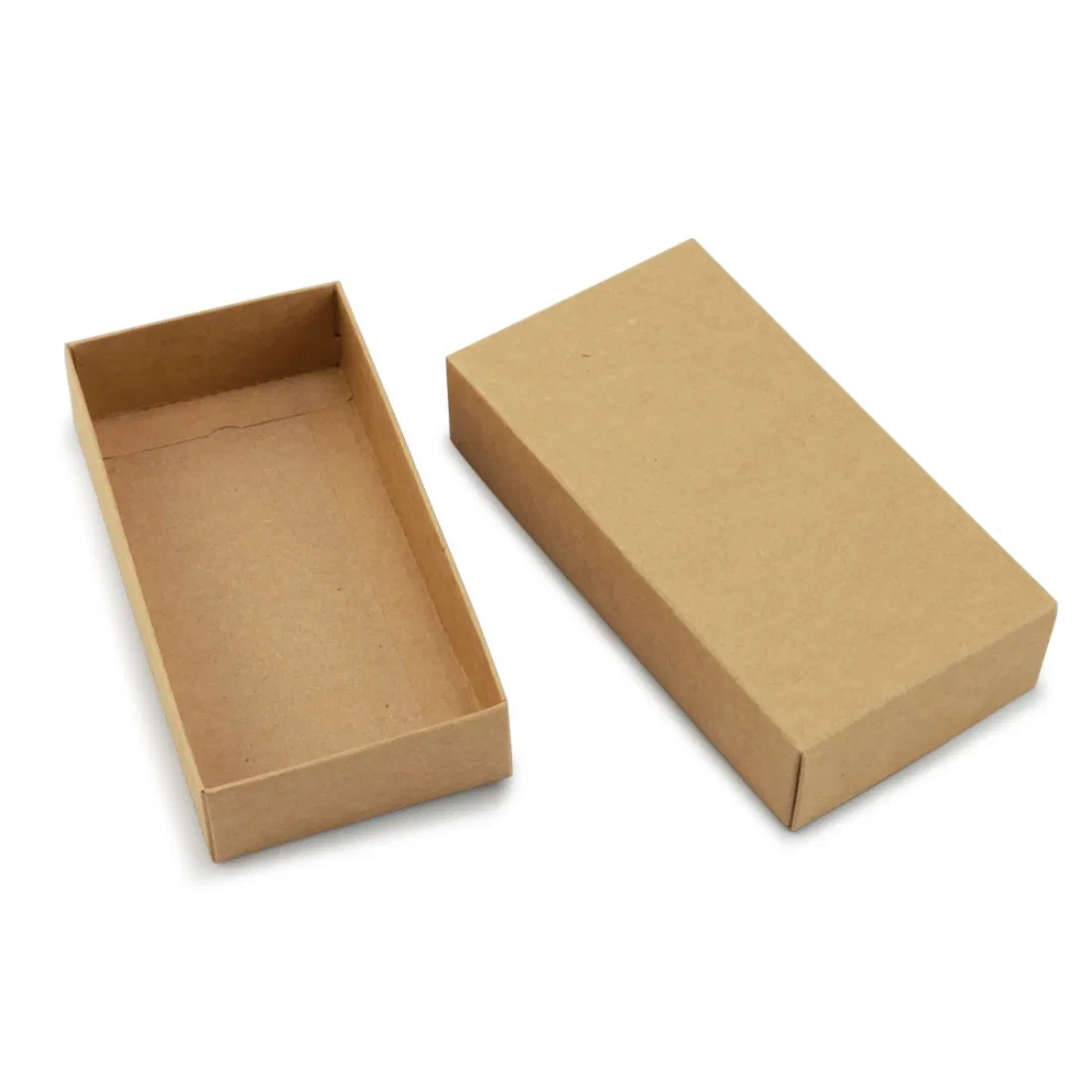

Pick up the box a decent watch or perfume arrives in and you are holding rigid board: dense greyboard, wrapped by hand or machine in printed paper, solid as furniture. Nothing else in packaging communicates value as instantly — and nothing else in mainstream packaging costs as much. Rigid boxes start around £2 a unit and climb well past £8 with finishes and inserts. Whether that is money brilliantly spent or quietly wasted depends on questions worth asking before you fall in love with a sample.
What you are actually paying for
A folding carton is die-cut, printed and shipped flat by the thousand. A rigid box is constructed — board of 1,200–3,000gsm cut, cornered, and wrapped in a printed sheet, often with a lined interior, a fitted insert, perhaps a magnetic closure or ribbon pull. More material, more processes, more labour, and it ships assembled, so it costs more to freight and store too. The premium is real engineering, not markup theatre. The result: a box that does not flex, closes with a soft resistance people instinctively read as quality, and survives on a shelf for years.
When rigid earns its money
- Genuinely premium price points. As a loose rule, packaging that flatters sits around 5–10% of product price. A £4 rigid box under a £60 candle is proportionate; under a £14 candle it is a rounding error in the wrong direction.
- Gifting categories. Jewellery, fragrance, spirits, wedding and occasion products — where the buyer often never opens the box themselves, the packaging is part of the gift, and wrapping-paper-proof structure matters.
- Keepsake behaviour. Boxes people keep — for storage, for display, for moving house — go on advertising for years. Apple normalised this; your customers now do it with any box that feels worth keeping.
- Units that sell in low volumes at high margin. When you sell hundreds rather than tens of thousands, the absolute packaging spend stays small even at £5 a box, and the perceived-value uplift can support the price point that makes the whole business work.
When it is the wrong answer
- Postal economics fight you. Rigid boxes are heavy and cannot be posted flat-packed to you or squeezed under parcel bands. If your product ships solo by post, the box can add more in freight than it adds in perception — check the carrier maths first.
- The margin is not there. A rigid box that eats 20% of a product's price is not luxury, it is a costume the P&L cannot afford.
- The product is bought on habit. Repeat-purchase consumables rarely reward the second rigid box the way they rewarded the first. The drama discount is real.
The middle ground most brands should see first
Before committing to rigid, price its understudies — they deliver a surprising share of the effect:
| Option | Feel | Relative cost |
|---|---|---|
| Folding carton + soft-touch lamination + foil | Velvety, premium retail | £ |
| Laminated E-flute mailer, printed inside | Substantial, D2C premium | ££ |
| Rigid box, wrapped, fitted insert | True luxury, keepsake | ££££ |
A soft-touch carton with a foiled logo fools more hands than the industry likes to admit — our unboxing guide covers how finish choices land psychologically.
A strategy that keeps everyone honest
You rarely have to choose once for the whole range. A pattern we see work well: standard line ships in an excellent printed carton or mailer; the gift set, the limited edition and the top-of-range SKU get the rigid treatment. The luxury signal attaches to the brand while the postage-heavy everyday volume stays economic. Rigid also pairs naturally with a litho-printed wrap, so colour-critical brands lose nothing in fidelity.
If you are weighing it up, the sensible next step is numbers rather than adjectives: tell us the product, the price point and the volumes, and we will quote a rigid option next to its best understudy so the decision is arithmetic. Request a quote — it costs nothing and arrives within one working day. You can also see rigid work we have produced in the portfolio.