There is an old retail truth that some products sell themselves the moment you can see them. A row of hand-decorated biscuits, a candle in a striking colour, a set of soaps arranged just so — no photograph on the box competes with the real thing sitting behind a clear panel. That is the appeal of window packaging. It is genuinely effective for the right products, but it comes with a recycling trade-off that too many suppliers gloss over. This guide covers both sides honestly, so you can decide with your eyes open.
What a window actually is
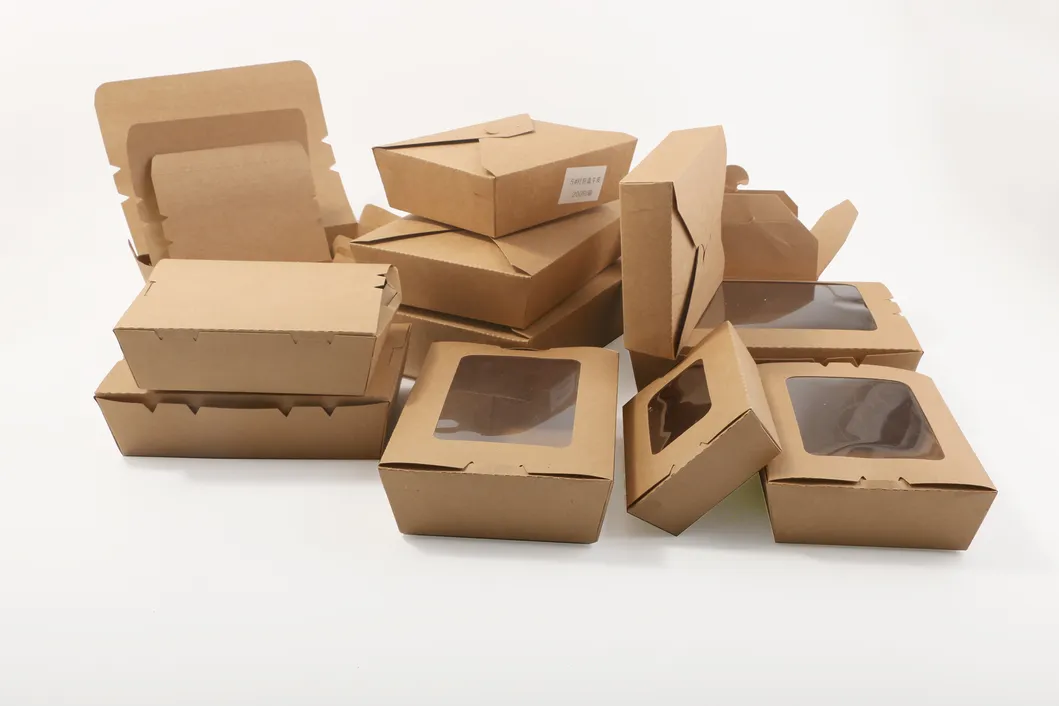
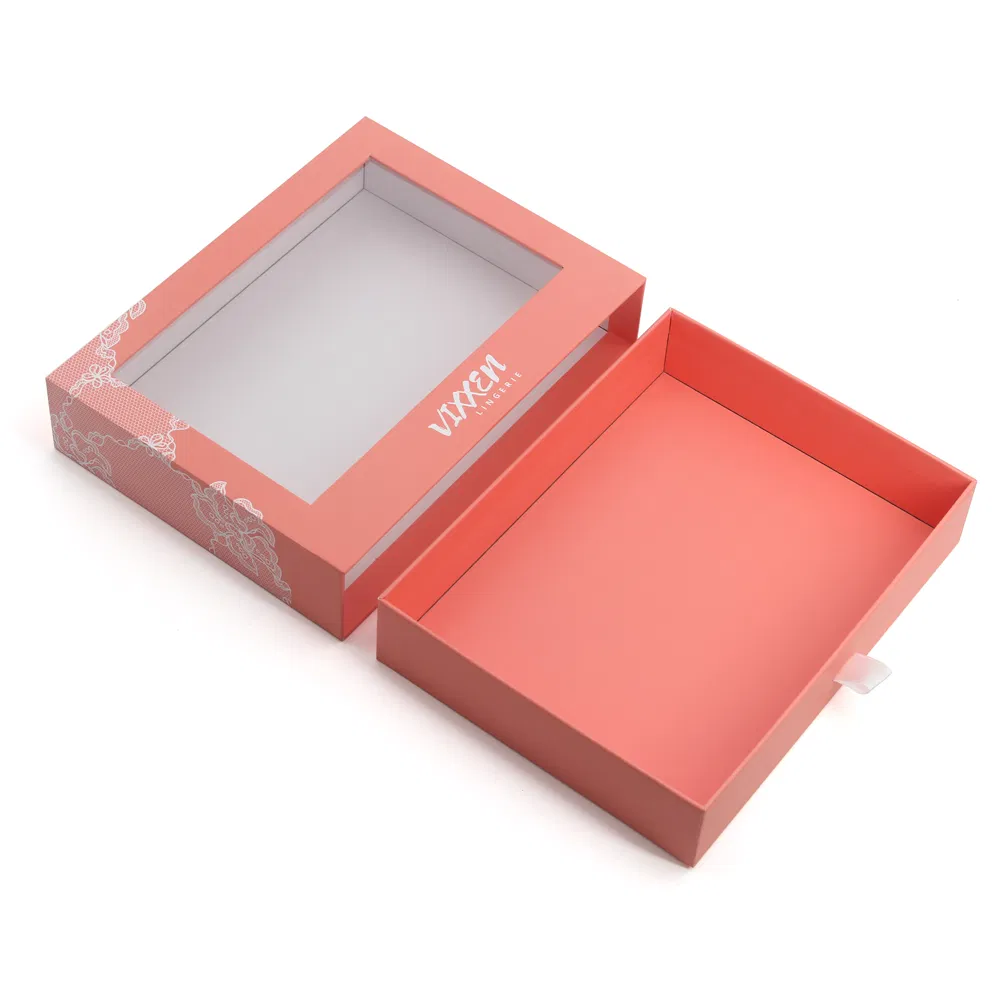
A packaging window is an opening cut into a panel of the box, usually covered with a thin transparent film "patch" applied to the inside so the product is protected while still visible. The film is most often a clear plastic (such as PET or a bio-based alternative), glued neatly behind the aperture. On some styles the opening is left entirely uncovered — an open cut-out — which avoids the film altogether but offers no barrier against dust or handling.
The window itself is simply part of the cutting tool, so it is designed into the dieline from the start. That means the shape can be almost anything — a plain rectangle, a circle, a brand mark, a decorative silhouette — as long as it leaves enough board around it to keep the box rigid.
Where windows earn their keep
Food and drink
Food is the classic case. Bakery goods, chocolates, pasta, coffee, confectionery and deli products all benefit from letting the customer see colour, texture and quantity. A window builds trust — the buyer sees exactly what they are getting — and it does a lot of the selling that would otherwise fall to photography and description. If you produce food, do remember that labelling, allergen information and packaging safety are regulated; a window changes how much printed panel you have left for that copy, so plan the layout around it. Always check the current requirements at gov.uk, and see our overview of UK food packaging rules for small producers for context.
Gifts and premium goods
Candles, cosmetics, bath products, toys and gift sets often use a window to showcase a product whose own appearance is a big part of its value. Here the window doubles as a design feature — a shaped aperture can frame the product like a picture and lift an ordinary carton into something that feels considered. It also reassures a gift-buyer that the contents match the promise on the box.
Where a window rarely helps
If the product is plain, light-sensitive, or looks better in a photograph than in reality, a window adds cost and complication for little gain. Some products actively need protection from light or air, in which case an exposed film panel can shorten shelf life. And on transit packaging, where the box is logistics rather than presentation, a window is simply a weak point.
The honest recycling trade-off
This is the part worth being straight about. A plain paper or board box is one of the most easily recycled formats there is. The moment you glue a plastic film patch to it, you have created a mixed-material item, and that complicates recycling. In principle the customer should separate the film from the board before recycling the card; in practice many will not, and a filmed box is more likely to be rejected or downcycled than a plain one. If a clean recycling story is central to your brand — as it is for many of the businesses we supply — a plastic window sits awkwardly with that message.
There are ways to soften the compromise:
- Keep the window small. A modest aperture shows the product while leaving most of the box as easily recycled board.
- Consider an open cut-out where the product does not need protecting from dust — no film, no mixed material, though also no barrier.
- Ask about paper-based or compostable window films. These are improving, though they can vary in clarity and cost, and their recyclability depends on local facilities.
- Label it clearly. A short on-pack line telling the customer to remove the film before recycling genuinely helps, and it shows you have thought about it.
None of this makes a windowed box as clean to recycle as a plain one. The honest position is that a window is a marketing gain traded against a recycling cost — worthwhile when seeing the product materially helps you sell it, and hard to justify when it does not. Our note on eco-friendly packaging sets out the wider principle of keeping construction mono-material wherever you can.
Cost and design considerations
A window adds a step to the making of the box: the aperture has to be cut and, if it is filmed, the patch has to be applied and glued. That means a windowed box costs a little more per unit than the same box without one, and the film patch adds slightly to the weight and the assembly. None of this is dramatic, but it is worth knowing that the window is a genuine extra rather than a free flourish. The shape matters too — an elaborate silhouette costs more to tool than a plain rectangle, and cutting away too much board can leave a panel that flexes or crushes, so there is a sensible limit to how much you open up.
Design-wise, treat the window as part of the layout from the start rather than a hole punched into finished artwork. Decide what the customer should see through it, position the product so it sits square behind the aperture, and make sure your brand name, ingredients or safety copy still have room to breathe on the remaining board. A window that reveals an untidy corner of the product, or crowds your essential text into a strip, undoes the very appeal it was meant to add.
Deciding for your product
Ask a simple question: does seeing the actual product make someone more likely to buy it? For fresh food, colourful gifts and anything whose appearance is the appeal, the answer is usually yes, and a window is a sound investment. For everything else, a good photograph on a fully recyclable box is often the better call. If you are torn, tell us what you sell and how it will be displayed, and we will lay out the options — including whether a small window or an open cut-out serves you better — when you request a quote.