
Nothing puts a knot in a small food producer's stomach quite like the phrase "food-contact regulations". The good news: the rules are more navigable than they sound, and most of the heavy lifting belongs to your packaging supplier rather than to you. What follows is a plain-English map of the territory — where the obligations sit, what to ask for, and the mistakes to avoid. It is an overview, not legal advice; for your specific product, your local Environmental Health Officer and the Food Standards Agency's guidance are the authorities.
The core principle: packaging must not change the food
UK food-contact law (retained from EU Regulation 1935/2004 and related UK statutory instruments) rests on one idea: materials touching food must not transfer substances into it in quantities that could harm health or change its taste, smell or composition. Everything else — migration limits, testing, paperwork — exists to demonstrate that principle is being met.
Direct vs indirect contact — the distinction that drives everything
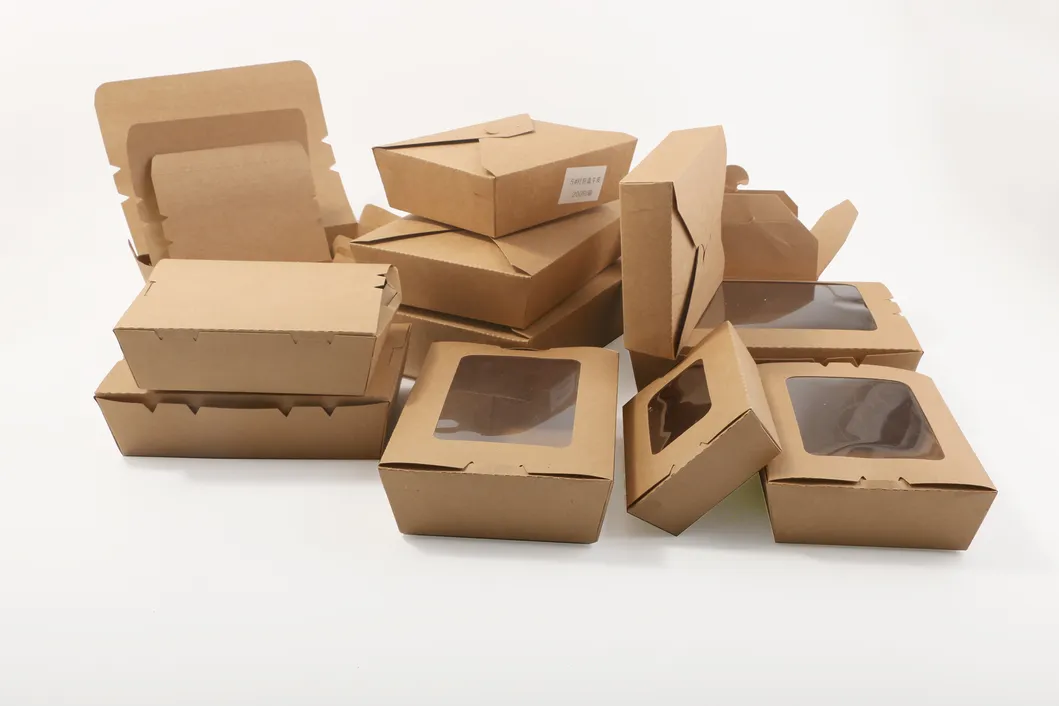
- Direct contact: the food touches the material — a pizza sitting in its box, fudge loose in a carton, a sandwich in a sleeve. The material itself must be food-safe and you should hold paperwork saying so.
- Indirect contact: the food is sealed in its own barrier — a pouch, a wrapper, a lined tin — and the outer box never touches it. The outer is then ordinary packaging, and the regulatory weight falls on the pouch or liner.
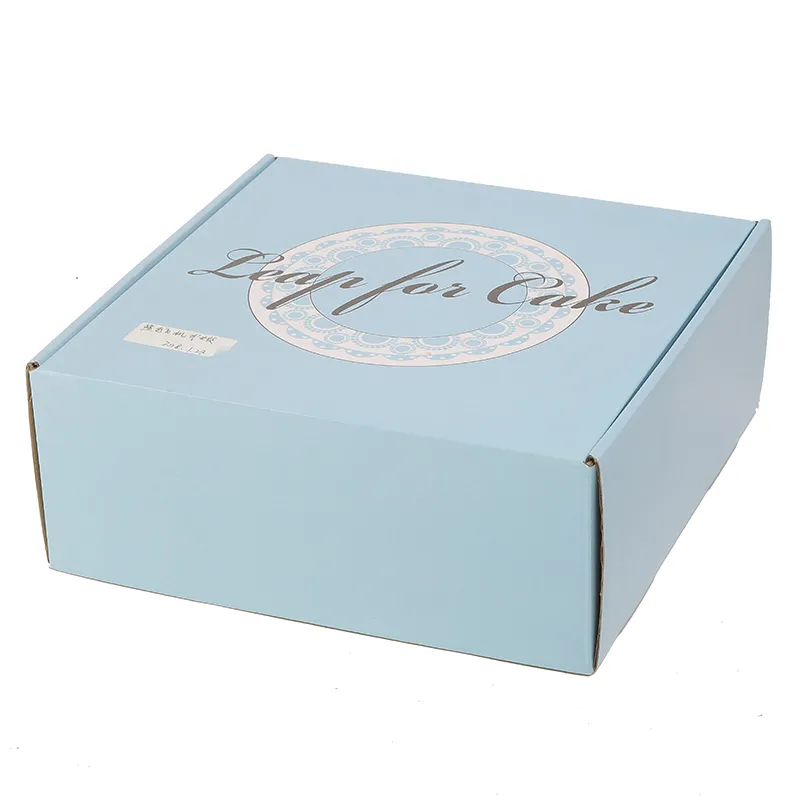
This distinction is your most useful design lever. A printed corrugated or carton outer over a certified food-grade liner, bag or greaseproof sheet is the standard pattern for small producers — it lets you have the brand presence of custom print while the certified barrier does the compliance work. Tell your supplier which situation applies when you request a quote, because it changes the specification.
The paperwork: ask for a Declaration of Compliance
For food-contact materials, the supplier should be able to provide a Declaration of Compliance (DoC) — a document stating the material meets food-contact requirements and for what conditions of use (fatty foods, aqueous, dry; temperature ranges; durations). Two habits will serve you well:
- Ask before you order, not after an EHO inspection asks you. Any competent supplier expects the question.
- File it. Keep DoCs with your food-safety records (your SALSA or HACCP file if you have one). Traceability paperwork is exactly the thing inspectors ask to see.
Note that ordinary recycled corrugated is generally not suitable for direct contact with moist or fatty foods — recycled fibre can carry mineral-oil residues — which is another argument for the liner-plus-outer pattern.
Inks, varnish and the printed surface
Print belongs on the non-food side of packaging. Reputable converters use low-migration inks and keep printed surfaces away from direct contact, but the practical rule for you is simple: never have artwork printed on a surface that will touch unwrapped food, and mention food use to your printer every time so the ink system is chosen accordingly.
Labelling: a neighbouring country, briefly visited
Labelling law is a separate discipline from packaging materials, but two signposts matter for small producers. Prepacked food needs the full label set — name, ingredients with allergens emphasised, weights, dates, storage, business address. Food packed on your premises for direct sale (the "PPDS" category, under what everyone calls Natasha's Law) needs a name and full ingredient list with allergens on the pack. Your custom boxes can carry the permanent print while a well-designed label zone carries the variable information — worth planning into the artwork from day one rather than sticking labels over your own design later.
A sensible checklist for a small producer
- Decide: direct contact, or sealed product in an outer? Design toward indirect where you can.
- Ask for a DoC on anything that touches food; file it.
- Keep print off contact surfaces; tell the printer it is food packaging.
- Plan a label zone into the artwork for ingredients and allergens.
- When in doubt, ask your EHO — they would far rather advise than enforce.
We supply printed outers, sleeves and boxes for food brands regularly and will tell you plainly which parts of your packaging need certified materials and which do not. Ask us, or request a quote with a note about the food involved, and we will spec it appropriately.