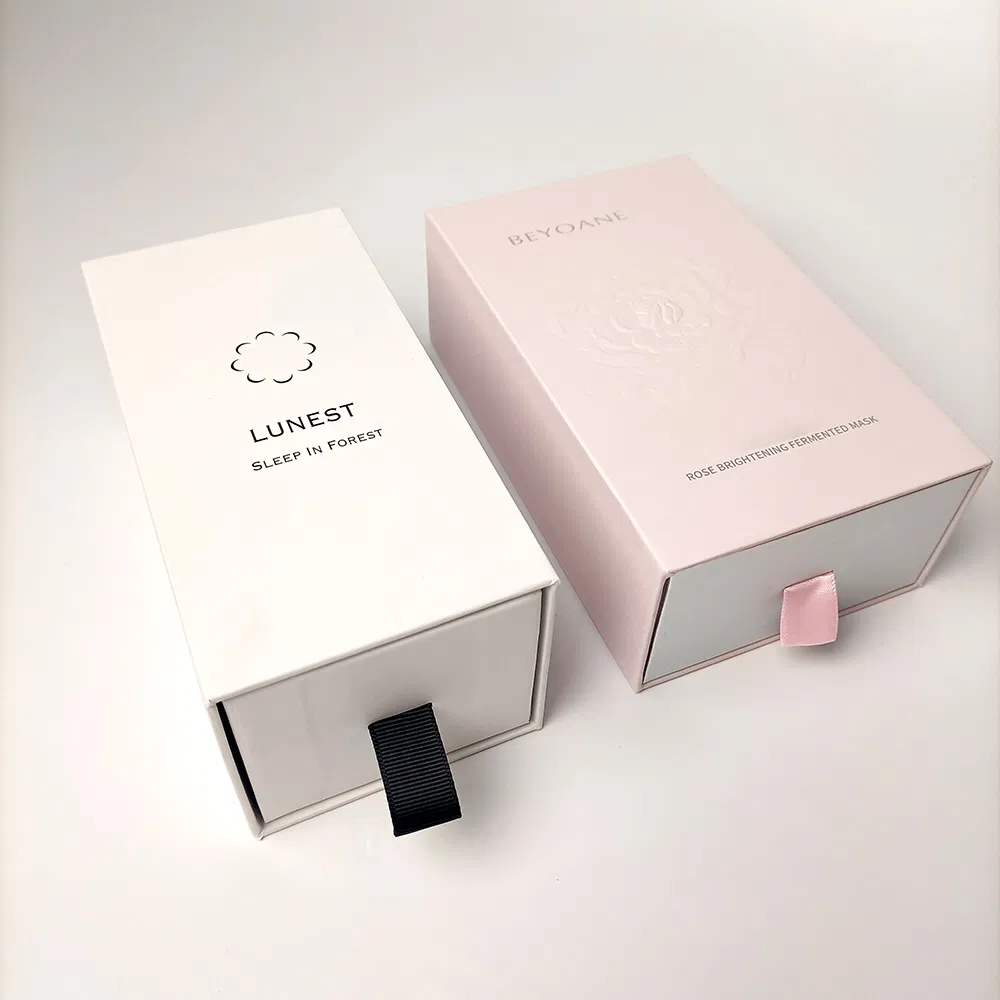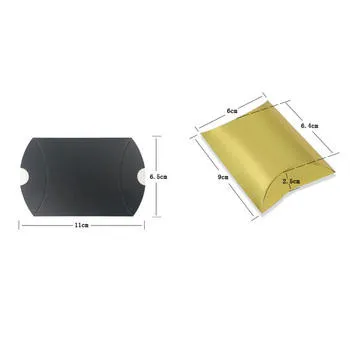

The inside of a box is the one surface a customer sees at the exact moment they are paying attention. Get it right and opening the parcel becomes a small event; get it wrong, or skip it thoughtlessly, and you have either wasted money or missed a free win. Whether interior print is worth the extra cost depends almost entirely on who opens the box and how much they care — so let us work through that honestly.
What "printing inside" actually involves
On a mailer box, printing the inside means the flat die-cut sheet is printed on both faces before it is folded, so that when the lid lifts, the interior walls and base carry colour, pattern or a message. On a folding carton it works the same way. In production terms it is a second printed side, which means more ink coverage and, depending on method, a second pass or a wider colour set-up. That is the source of the extra cost — you are effectively printing two boxes' worth of surface for one box.
The size of that premium depends on how much of the interior you cover. A single flood colour inside is cheaper than a full-bleed photographic pattern edge to edge. Digital print tends to make short-run interior work more affordable than litho, for the reasons set out in our comparison of printing methods.
The unboxing payoff
When the person opening the parcel is your customer — direct-to-consumer, subscriptions, gifting, cosmetics, apparel — the interior is prime real estate. A printed inside does several things at once: it signals that thought went into the product, it photographs brilliantly for the unboxing videos and social posts customers make for free, and it holds attention for the few seconds it takes them to form an impression of your brand.
We have argued at length that this moment drives repeat business in our piece on the unboxing experience and repeat customers, and interior print is one of the cheapest levers you have to improve it. A printed message on the inside of the lid — a thank-you, a care instruction, a next-order nudge — costs a fraction of what it would to achieve the same warmth by any other means, and it is right there in the shot when the customer films the reveal.
When to skip it
Interior print is money spent for nobody's benefit in several common situations, and there is no shame in leaving it plain:
- Transit outers and shipping cases. If the box is logistics — moving stock to a retailer or a warehouse — nobody admires the inside. Spend the budget on strength instead, as covered in our notes on single versus double-wall corrugated.
- Boxes that go straight into another box. A retail carton that is only ever seen once removed from its shipper does not need an interior show.
- Wholesale and B2B. A stockroom does not care, and a buyer respects a clean, functional box more than a decorated one.
- Products immediately unpacked and discarded. If the box hits the recycling within seconds, interior print is theatre without an audience.
The test is simple: picture the moment the box is opened, and ask who is standing there. If it is a paying customer with a phone, print the inside. If it is a forklift, do not.
What interior print costs, realistically
The premium for printing inside is not a fixed percentage; it depends on how much ink hits the second face. A single spot colour flooded across the interior is a small addition. A full-bleed, four-colour photographic pattern edge to edge is closer to doubling the printed area, and the unit price reflects that. Run length matters too: on a short digital run the interior adds proportionally less than the maths might suggest, whereas on a litho run the extra plates and make-ready weigh more heavily on smaller quantities. The practical approach is to ask for the plain and printed-inside prices side by side, rather than assuming interior print is either trivially cheap or ruinously dear — it is usually neither, and seeing the two numbers together makes the decision obvious.
Cheaper ways to get most of the effect
Full interior print is not the only option, and sometimes a lighter touch gives you eighty per cent of the payoff for a fraction of the cost:
- Print one panel, not all of them. The inside of the lid is the first thing seen and the star of the unboxing shot. Printing that one face and leaving the walls plain is a sensible compromise.
- A single flood colour inside — your brand colour edge to edge — is dramatic and costs far less than a detailed pattern.
- A printed insert or card laid on top delivers a message and a splash of colour without printing the box interior at all, and it is easy to change between runs.
- Coloured board — a naturally dark or bright stock — gives an interior "look" with no interior printing whatsoever.
Getting the artwork right
Interior artwork has to be built on the correct side of the dieline, mirrored appropriately so it lands the right way up once folded — a common and expensive mistake to catch too late. Start from our free dieline templates, which show both faces, and if two-sided set-up is unfamiliar, our guide to print-ready artwork explains how to lay it out so it prints as you expect.
The verdict
Interior print is worth it whenever a real customer opens the box and might photograph it, and it is worth skipping whenever the box is logistics. Between those poles, a single printed lid panel or a flood colour usually gives the best return. Tell us the box style, run size and how much of the interior you want to cover, and we will quote the plain and printed-inside versions side by side so you can see exactly what the moment costs. Request a quote and we will normally reply within one working day.