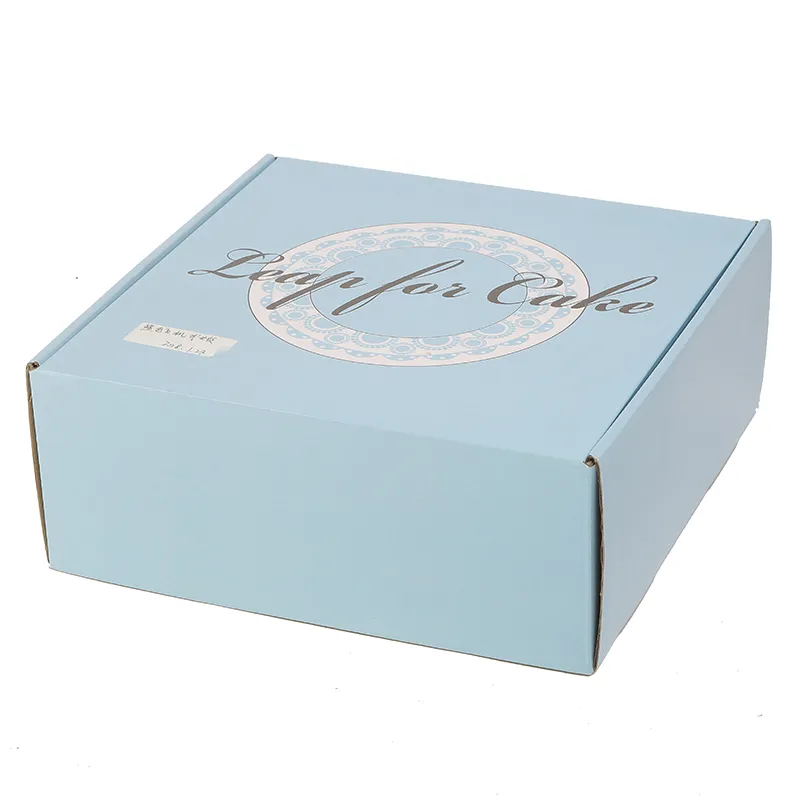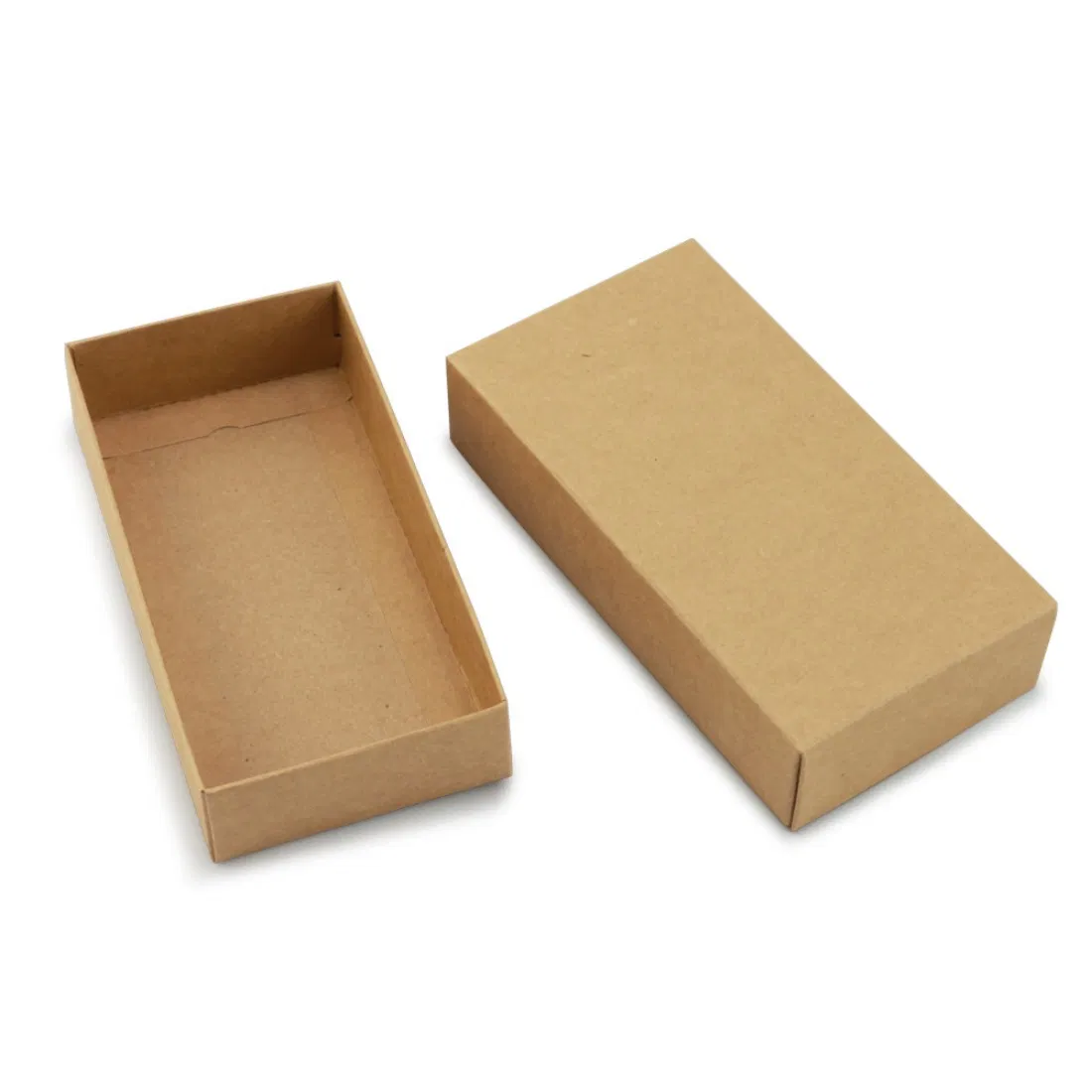

Deciding how many boxes to order first time is genuinely difficult, because the maths pulls in two directions at once. Order more and the unit price drops; order fewer and you protect your cash and your cupboard. There is no universally right number — but there is a sensible way to think it through, and we would rather you got this decision right than talk you into a pallet you regret. Here is the honest version.
The unit-cost curve, told straight
Most of the cost of a print run sits in getting the job ready — origination, set-up, the first sheets through the machine. Once the run is moving, each additional box costs only a little board and ink. That is why the per-box price falls as quantity rises, and why the difference is steepest at the low end: going from a small run to a medium one can drop the unit price a fair way, while going from a large run to a very large one barely moves the needle.
The temptation, naturally, is to keep climbing the curve for a better unit price. But the curve flattens, and beyond a point you are buying a marginally cheaper box with a large chunk of cash — cash that a young business almost always needs elsewhere. Our guide to custom packaging costs breaks the pricing down further if you want the detail.
The storage reality nobody photographs
Flat-pack boxes take up less room than assembled ones, but a few thousand still occupy real space — and they need the right space. Somewhere dry, out of direct sunlight, off a damp floor and not crushed under something heavy. A great unit price on ten thousand boxes stops feeling clever when they are colonising a spare room, warping in a garage, or blocking a fire exit in a small unit. If you are going to hold stock, plan where it lives — somewhere dry, out of direct sunlight and off a damp floor — because a saving on the unit price is quickly undone by a run that warps before you use it.
The cash-flow point
Every box sitting in storage is money you have already spent and not yet earned back. For an established product with steady sales, that is fine — the stock will turn. For a first run, where you are still learning how fast the product actually sells, tying up cash in a two-year supply of boxes is a real risk. If sales are slower than hoped, you are stuck with them. If the product changes — a new size, a rebrand, a tweak to the design — you are stuck with the old ones too. First runs are also when design mistakes surface, and a small run keeps the cost of any lesson small.
Why starting small is a legitimate strategy
Traditional suppliers often set high minimums precisely because the set-up cost wants spreading over a big run. We work differently: a 50-box minimum and no set-up fees, so you can order a genuinely small first batch, get it into customers' hands, and learn from real orders before committing to volume. That is not a compromise — for many new products it is the smart move. You confirm the box works, the artwork prints as expected and the product sells, then reorder with confidence. Our low-minimums guide for startups makes the full case.
A practical way to land on a number
Rather than reaching for the biggest quantity you can afford, work through this:
- Estimate honest monthly sales. Be conservative — a first run should test the product, not bet the year on it.
- Cover a sensible horizon. Two to three months of expected use is a reasonable first-run target for a new product, enough to prove it out without over-committing.
- Check the unit price at a couple of quantities. Ask for pricing at, say, your target number and double it. If doubling barely improves the unit cost, there is little reason to. If it drops it sharply and you have the cash and the space, it may be worth the step up.
- Factor in your lead time. Leave enough runway to reorder before you run out — our lead times guide explains the timeline so you can set a reorder point.
- Sanity-check storage and cash. If either is tight, the smaller run is almost always the right call.
You can always reorder
The reassuring part: once your first run exists, reordering is quicker and simpler because the artwork and dieline are already set. You are not locked into the first-run quantity forever — you are just deciding how much to hold right now. That makes a modest, well-judged first order far less risky than it feels.
If you would like to see the numbers for your own product, tell us the box style, rough size and a couple of candidate quantities, and we will show you the unit price at each so you can decide with real figures in front of you. Request a quote — usually back within one working day.